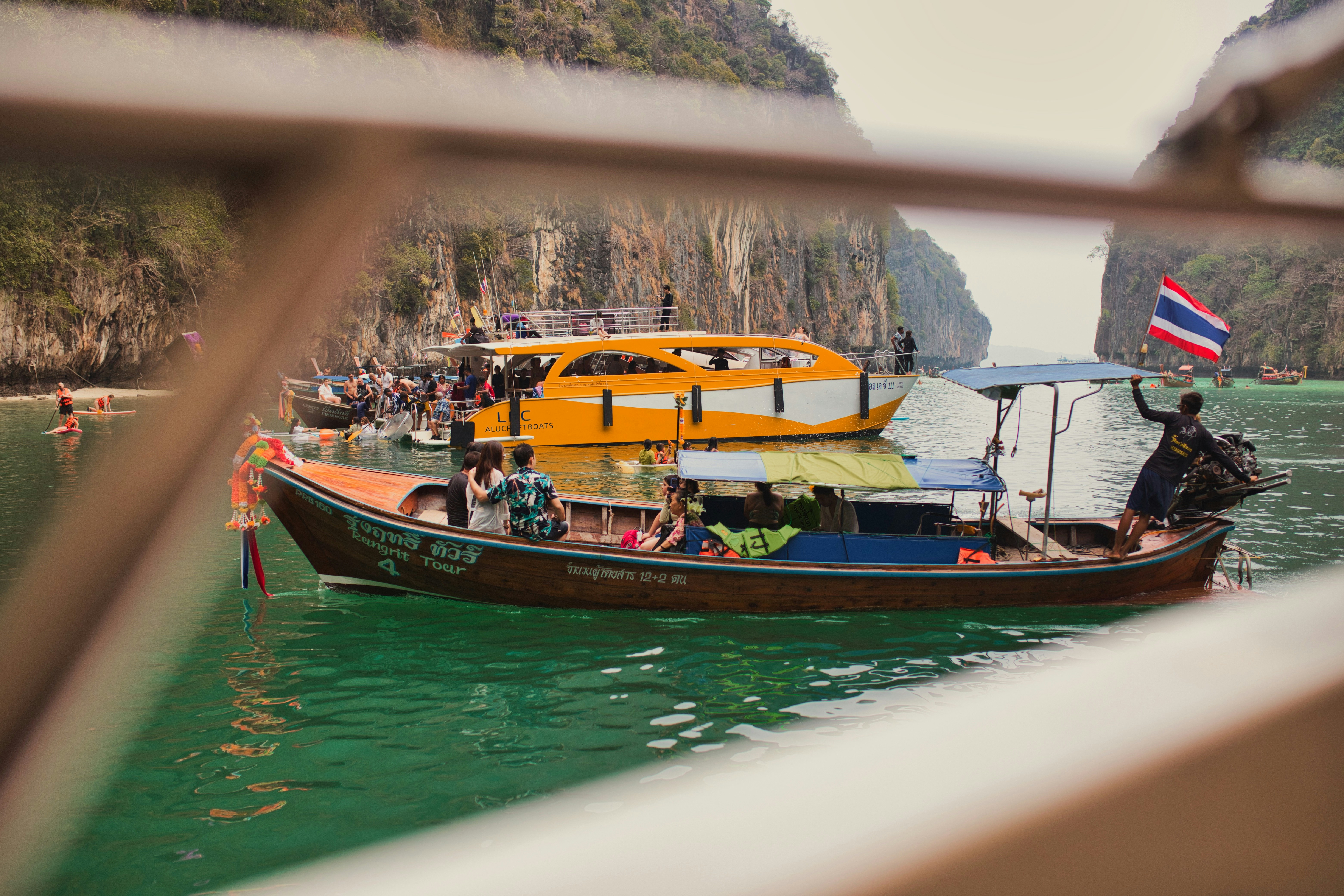
Understanding Thailand’s Culture and Etiquette
Thailand, often referred to as the “Land of Smiles,” is renowned for its rich cultural heritage and welcoming spirit. To truly appreciate this vibrant nation, it is vital for visitors to immerse themselves in its customs and social norms. Respect plays a crucial role in Thai culture and is evident in everyday interactions.
One of the most recognized practices is the traditional greeting known as the ‘wai.’ This involves placing one’s hands together in a prayer-like gesture while bowing the head slightly. The ‘wai’ demonstrates respect and is commonly used when greeting others, especially elders or people of higher status. It is important to note that the depth of the bow and the height of the hands can signify varying levels of respect.
Another essential aspect of Thai culture is the reverence shown towards Buddha images and symbols. In Thailand, Buddhism is not merely a religion but a significant aspect of daily life. Therefore, it is imperative for visitors to treat images of Buddha with utmost respect. This includes avoiding touching or climbing on such statues and being careful not to take photographs inappropriately. Visitors should also refrain from discussing religion or displaying any form of disdain towards Buddhist practices.
Additionally, understanding social norms related to personal space and body language can significantly enhance your experience. Thais typically maintain a moderate amount of personal space and do not engage in overly loud or boisterous behaviors in public settings. Public displays of affection, while accepted in certain contexts, are often viewed as inappropriate in more conservative areas.
In summary, by respecting and adhering to Thailand’s cultural values and etiquette, travelers can foster positive interactions with locals and enrich their overall experience while visiting this beautiful country.
Best Times to Visit Thailand
Thailand is a diverse country with distinct seasons that can greatly influence your travel experience. Understanding the best times to visit Thailand allows travelers to align their plans with favorable weather conditions while avoiding excessive tourist crowds and inflated prices. The most favorable time to explore Thailand is during the dry season, which typically runs from November to February. This period is marked by comfortable temperatures and minimal rainfall, making it ideal for outdoor activities and sightseeing.
During the dry season, popular destinations like Bangkok, Chiang Mai, and Phuket become vibrant with festivals and cultural events, attracting tourists from around the globe. Travelers looking for warmth but less buzz may prefer visiting during the shoulder periods of March to May, where temperatures begin to rise but crowds are thinner and hotel prices tend to be lower. However, it’s essential to prepare for hotter weather during this time.
In contrast, the rainy season spans from June to October, when heavy downpours are common. While some might consider this time less appealing due to the possibility of rain, the rainy season brings a unique charm to Thailand. Tourist numbers drop significantly, leading to a more authentic experience. Moreover, the countryside is verdant and picturesque, ideal for nature lovers and photographers. If you choose to travel during this season, it’s advisable to stay flexible with your plans to accommodate unexpected weather changes.
Avoiding peak tourist periods—such as Christmas and New Year’s when prices surge and attractions are overcrowded—can enhance your visit. In conclusion, evaluating your preferences for weather, crowds, and pricing will help you determine the best times to visit Thailand, allowing for a memorable and enjoyable experience in this beautiful country.
Essential Thai Phrases for Travelers
When traveling to Thailand, knowing some essential Thai phrases can significantly enhance your experience. Using these phrases not only helps in communication but also shows respect for the local culture, making interactions with Thai people more enjoyable. Here are some fundamental phrases to consider:
Greetings: To greet someone, saying “Sawasdee” (สวัสดี) is a friendly way to say hello. This can be followed by “khap” (if you are male) or “kha” (if you are female) for politeness, making it: “Sawasdee khap/kha.” Another common greeting is “Sawasdee ton chao” for good morning and “Sawasdee ton chao” for good night.
Polite Expressions: In Thai culture, using polite expressions is crucial. Words like “khop khun” (ขอบคุณ) meaning thank you are essential in daily conversations. If a local does something particularly helpful, you can emphasize your gratitude by saying “khop khun maak” (thank you very much). It’s also important to know how to apologize with “khor thot” (ขอโทษ), which means excuse me or I’m sorry.
Navigating Daily Interactions: When dining out or shopping, phrases such as “nii tao rai?” (นี่เท่าไหร่) meaning how much is this can be very useful. If you want to order food, you can simply say “ao…” (เอา…) followed by the dish you want, making it easier to communicate your preferences. Remembering to use the word “khap/kha” at the end of your requests enhances politeness, creating a more engaging interaction.
Using these basic Thai phrases can facilitate smoother communication and show appreciation for the host culture, making your trip to Thailand more immersive and pleasurable.
Exploring Thailand’s Culinary Scene
Thailand is globally celebrated for its vibrant and diverse culinary culture, which is a significant aspect of the country’s identity. A visit to Thailand would be incomplete without indulging in authentic Thai dishes that reflect the local flavors and ingredients. Must-try dishes such as Pad Thai, Tom Yum Goong (spicy shrimp soup), and Som Tum (green papaya salad) should be on every food lover’s list. Each region has its unique specialties, making regional sampling an exciting culinary journey.
Street food vendors are emblematic of Thailand’s food scene. Cities like Bangkok and Chiang Mai are home to bustling street markets where visitors can find a wide array of affordable and delicious options. Trying local street food not only offers an opportunity to sample authentic flavors but also immerses you in the cultural experience of dining among locals. Dishes like Moo Pad Krapow (stir-fried basil pork) and Khao Pad (fried rice) are popular options that are easily accessible.
When dining out in Thailand, it is vital to consider food safety to ensure an enjoyable experience. Opt for vendors that are busy; high customer turnover often indicates quality and freshness. It’s advisable to consume freshly cooked items and to avoid raw produce unless thoroughly washed. Furthermore, drinking bottled water instead of tap water is advisable to prevent any digestive issues.
For a more structured dining experience, many cities feature upscale restaurants that focus on traditional Thai cuisine with a modern twist. These establishments often emphasize the use of fresh, local ingredients, showcasing the richness of Thailand’s culinary scene. Exploring these dining options will provide a deeper appreciation for the nuances of Thai food and culture.
Navigating Public Transportation in Thailand
Thailand’s bustling cities offer a wide array of public transportation options, making it relatively easy for travelers to get around. The most commonly used methods include tuk-tuks, songthaews, buses, and the BTS Skytrain. Each mode of transportation has its unique features and advantages that can enhance your travel experience.
Tuk-tuks, the iconic three-wheeled vehicles, provide a fun and memorable way to navigate through congested streets. When using a tuk-tuk, it is advisable to negotiate the fare before starting your journey, as they do not use a meter. This ensures a fair price and helps you avoid any misunderstandings upon arrival at your destination.
Songthaews are shared taxis that resemble pick-up trucks, offering a cost-effective way to travel short distances within cities. They have set routes and charge a fixed fare, which is a convenient option for those looking to explore local neighborhoods. Look for the color-coded flags on top of the songthaews to identify their destinations, and signal the driver when you wish to board or disembark.
The BTS Skytrain is an efficient elevated train system operating in Bangkok, providing an excellent alternative to road transport. It is air-conditioned and frequently runs, thereby reducing travel time significantly. Passengers should purchase a Rabbit Card or single journey ticket from machines at the station, as this simplifies the fare process. Always be mindful of peak hours when the train can get quite crowded.
In addition to these systems, buses are another economical mode of transportation, with routes covering almost every part of the city. Make sure to check the bus schedule and have small change ready for fare payment. Lastly, familiarize yourself with local traffic customs, as roads can be chaotic, requiring a cautious approach whether you are driving or using public transport. Understanding these basic aspects of Thailand’s public transportation will help ensure a smooth and enjoyable journey throughout your travels.
Top Destinations Beyond Bangkok
While Bangkok serves as an incredible entry point to Thailand, exploring destinations outside the capital reveals the country’s rich tapestry of culture, nature, and history. One of the most popular choices is Chiang Mai, located in the northern region. Known for its ancient temples and vibrant night markets, Chiang Mai offers activities ranging from cooking classes to elephant sanctuaries, providing visitors with immersive experiences in local customs and traditions. The scenic backdrop of the surrounding mountains enhances its charm, making it a must-visit location.
Another iconic destination is Phuket, Thailand’s largest island, which boasts stunning beaches, bustling nightlife, and a plethora of water sports activities. Patong Beach is particularly famous for its vibrant atmosphere, but visitors can find quieter spots such as Kata Noi for a more serene experience. Additionally, day trips to nearby islands like the Phi Phi Islands or Phang Nga Bay are highly recommended for those seeking breathtaking landscapes.
Koh Samui, known for its palm-fringed beaches and luxury resorts, is another highlight for travelers. It offers a blend of relaxation and adventure, from lounging on Chaweng Beach to exploring the island’s waterfalls and hiking trails. The vibrant nightlife in the Fisherman’s Village at Bophut and stunning views from the Big Buddha are particularly enticing for visitors.
Lastly, a trip to Ayutthaya, the ancient capital, is essential for history enthusiasts. This UNESCO World Heritage site enables travelers to witness the remnants of grand temples and monasteries that tell the story of Thailand’s rich history. Exploring the historical park by renting bicycles allows an intimate view of its majestic ruins. Each of these destinations offers unique experiences that showcase Thailand’s diverse attractions beyond the bustling streets of Bangkok.
Shopping Tips and Local Markets
Thailand is renowned for its vibrant shopping scene, offering a variety of experiences from bustling street markets to upscale shopping malls. When visiting this Southeast Asian gem, it’s essential to know how to navigate the shopping landscape effectively. Street markets, such as Chatuchak in Bangkok and the Night Bazaar in Chiang Mai, provide an exceptional opportunity to discover unique products and local craftsmanship.
One of the most important shopping tips in Thailand is mastering the art of haggling. Bargaining is not only common but expected in local markets. Vendors usually start with a higher price, giving customers room to negotiate. A friendly demeanor and polite approach can go a long way; remember, the goal is to reach a mutually agreeable price without offending the seller. It’s advisable to do some preliminary research on typical prices for the items you might want to purchase to ensure you’re making fair deals.
Additionally, look out for specific cultural items that hold significance in Thai culture, such as traditional handicrafts, silk products, and herbal remedies. These goods serve as both beautiful souvenirs and meaningful tokens of your travels. Engaging with vendors often opens up conversations about the cultural importance of these items, enriching your shopping experience.
In larger and upscale malls, such as Siam Paragon and CentralWorld, shoppers can find international brands alongside local designers. These malls often provide a more comfortable shopping environment with air conditioning and food courts offering various local delicacies. While shopping at these locations, appreciate the blend of modernity with Thai culture depicted in store displays and events showcasing local talent.
Overall, shopping in Thailand can be an enriching part of your visit if approached with the right knowledge and attitude. Embrace the experience, explore local markets, engage in haggling, and discover the cultural narratives behind the items available for purchase.
Safety Tips for Tourists
Visiting Thailand can be an exhilarating experience, complete with stunning landscapes, rich cultural heritage, and lively street life. However, as in any foreign country, it is essential to prioritize your safety while exploring this beautiful destination. Adhering to some fundamental safety tips can enhance your trip and give you peace of mind.
Firstly, remain vigilant and aware of your surroundings, especially in crowded areas such as markets or tourist attractions. Pickpocketing does occur, so it is wise to keep your belongings secure and distribute your valuables across different pockets. Additionally, it is advisable to carry a photocopy of your passport for identification purposes, as well as emergency contact information.
When enjoying Thailand’s vibrant nightlife, particularly in cities like Bangkok and Pattaya, exercise caution. Opt for reputable establishments, avoid accepting drinks from strangers, and be aware of your intoxication levels. If you are traveling solo, consider informing someone about your whereabouts and consider using trusted transportation options such as reputable ride-hailing apps instead of public transport late at night.
Scams targeting tourists can also occur in Thailand, ranging from overly friendly locals offering help to dubious tuk-tuk drivers proposing sightseeing tours at suspiciously low rates. Always do your research in advance, inquire about prices beforehand, and trust your instincts. It is prudent to engage in conversations only with individuals you feel comfortable with.
When it comes to health and safety, prioritize drinking bottled water and avoid ice cubes unless you are confident they are safe. Consult with healthcare professionals regarding necessary vaccinations prior to your journey. These basic precautions can contribute to a more enjoyable and hassle-free visit to Thailand.
Respecting Nature and Wildlife in Thailand
Thailand is renowned for its breathtaking landscapes and diverse wildlife, making it essential for visitors to adopt responsible travel practices that protect these natural treasures. One of the primary ways to respect nature in Thailand is by visiting national parks and wildlife sanctuaries that advocate for conservation efforts. These areas not only preserve the local flora and fauna but also provide a sanctuary for endangered species. When exploring these parks, it is crucial to follow the established guidelines and remain on designated trails to minimize ecological impact.
Additionally, tourists should refrain from engaging in activities that exploit wildlife. For instance, riding elephants or taking part in shows that involve animal performances can contribute to the mistreatment of these majestic creatures. Instead, visitors are encouraged to support ethical wildlife experiences, such as observing animals in their natural habitats or visiting sanctuaries that promote rehabilitation and respect for animal rights.
Moreover, preserving Thailand’s natural beauty extends beyond wildlife interactions. Travelers should adopt sustainable tourism practices, such as reducing plastic waste, opting for eco-friendly accommodations, and participating in local conservation projects. Simple actions, such as properly disposing of trash and avoiding single-use plastics, can make a significant difference in maintaining the pristine environment.
In summary, respecting nature and wildlife in Thailand is not just a personal responsibility; it is a collective effort that enhances the travel experience while safeguarding the country’s rich biodiversity. By committing to responsible tourism, visitors can contribute to the sustainability of Thailand’s natural landscapes and ensure that future generations can enjoy the awe-inspiring beauty this destination has to offer.