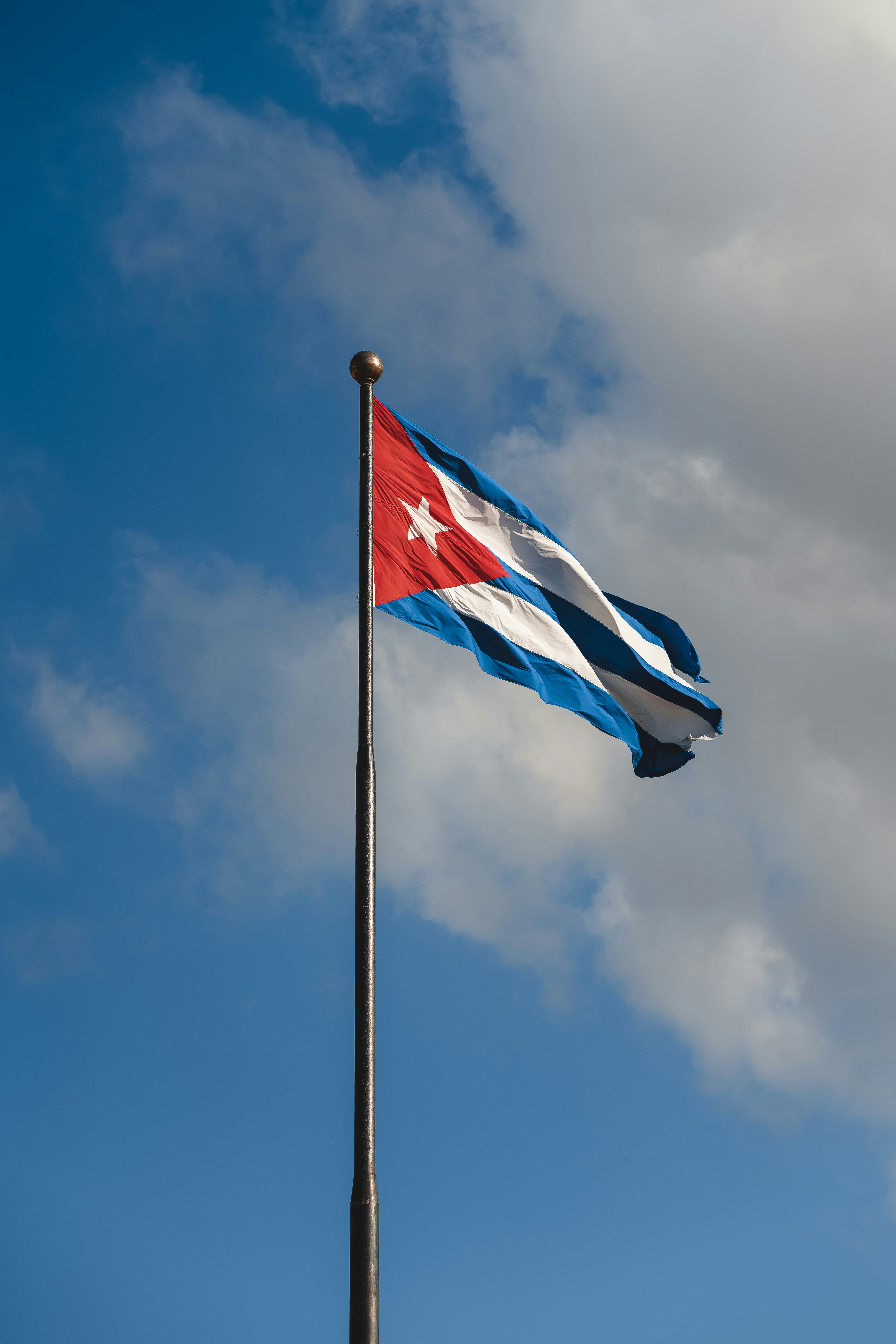
Introduction: The Current U.S.-Cuba Landscape
The relationship between the United States and Cuba has been characterized by decades of tension and complex diplomacy. The historical context of U.S.-Cuba relations began in the late 19th century, culminating in the 1959 Cuban Revolution that ushered Fidel Castro into power. This shift compelled the United States to impose a comprehensive trade embargo in 1960, leading to strained relations that persisted for more than fifty years. Recent developments, particularly under the Trump administration, have significantly influenced these diplomatic dynamics.
Under President Trump, there was a marked reversal of the prior administration’s efforts to normalize relations with Cuba. The Trump administration reinstated several aspects of the embargo and took a hardline stance on Cuba’s involvement in Latin America, particularly concerning its support for Venezuela. The U.S. accused Cuba of facilitating oil shipments from Venezuela, thereby bolstering the Maduro regime. This accusation not only intensified U.S.-Cuba relations but also sparked debates on the implications for U.S. foreign policy in the region.
Moreover, President Trump’s ultimatum emphasized a need to pressure Cuba by restricting economic conditions, highlighting the strategic importance of Venezuela’s oil flow to Cuba. This issue is particularly compelling as it indicates the intersection of energy resources and U.S. diplomatic strategy. Trump’s firm rhetoric aimed at altering Cuba’s support for Venezuela could lead to significant ramifications for regional stability and influence. Consequently, this crucial period represents a turning point that prompts a reevaluation of long-standing policies and the potential for resolving ongoing disputes.
Understanding the complexities of this relationship is essential as it influences broader geopolitical factors, including the future of U.S. foreign relations with both Cuba and Venezuela. The decisions made during this time may have lasting consequences on the Latin American political landscape.
In a recent address, former President Donald Trump issued a stern warning to the Cuban government, stating that they must ‘make a deal’ or confront serious repercussions. This ultimatum represents a pivotal moment in the ongoing evolution of U.S.-Cuba relations, which have experienced significant fluctuations over the decades. At its core, Trump’s assertion underscores the urgency for negotiations aimed at mutually beneficial agreements between the two nations.
The call for a ‘deal’ from Trump implies a demand for fundamental changes, potentially concerning critical issues such as human rights, economic reforms, and diplomatic engagements. These negotiations could involve a range of topics, from the lifting of trade sanctions to fostering bilateral cooperation in areas such as healthcare and environmental challenges. The suggestion of a deal suggests that Trump is open to dialogue, but that he is also prepared to impose substantial consequences should Cuba fail to respond favorably.
In the context of U.S.-Cuba relations, this warning can be interpreted as a shift back towards a more hardline stance, reminiscent of policies implemented in past administrations. Trump’s position signals that any future collaborative efforts will be contingent upon concessions from the Cuban government regarding issues that have long been sources of contention. This inflection point raises critical questions about the potential pathways for engagement and the long-term impacts on the Cuban populace.
As both nations navigate this complex landscape, the possibility of obtaining a comprehensive agreement appears essential, not only for diplomatic relations but also for providing tangible benefits to the Cuban people. Thus, the prospect of negotiation presents both challenges and opportunities, underscoring the necessity for deliberate and thoughtful dialogue moving forward.
The Venezuelan Connection: Oil, Money, and Security
The relationship between Cuba and Venezuela has been historically characterized by mutual dependency, heavily shaped by oil trade and the exchange of security services. During the late 20th century, especially after the rise of Hugo Chávez in Venezuela, the two nations strengthened their ties significantly. In this partnership, Venezuela provided Cuba with a steady flow of oil, which is vital for the Cuban economy, while Cuba rendered extensive support in the realm of security and military training.
The oil shipments from Venezuela to Cuba have been essential, particularly in an environment where Cuba faces economic sanctions. This oil flow has allowed Cuba to sustain its energy needs, thus facilitating the operation of key sectors, including healthcare and agriculture. Venezuela’s contributions were not merely transactional, as they symbolized a political alliance rooted in shared ideological beliefs. Both countries have often championed socialism and anti-U.S. sentiments, further binding them together.
In return for the oil shipments, Cuba has offered Venezuela its intelligence capabilities, with Cuban security personnel playing influential roles in maintaining the stability of the Venezuelan regime. The Cubans have provided training and support to Venezuelan security forces, crucial in times when the country faces internal unrest and significant opposition. Over time, this bilateral relationship has also seen various phases of evolution, especially as geopolitical dynamics shift. For instance, the decrease in oil production due to Venezuela’s own economic plight has placed strains on their traditional alliance, prompting discussions about how each country might navigate their interdependence moving forward.
As Trump’s ultimatum to Cuba unfolds, the historical connection with Venezuela becomes even more relevant. This situation highlights the intricate web of alliances and economic dependencies that shape the broader context of U.S.-Cuba relations today.
Trump’s sudden shift in policy towards Cuba has notably raised concerns about the possible ramifications for the island nation, particularly in the context of its longstanding economic dependencies. Historically, Cuba has relied heavily on imports from Venezuela, mainly due to a deal that allowed Cuba access to Venezuelan oil at subsidized rates. Should the flow of Venezuelan oil cease, as suggested by the recent changes in U.S. foreign policy, the implications for Cuba could be profound and multifaceted.
Economically, a halt in Venezuelan oil imports could trigger a significant crisis within Cuba. Without abundant oil supplies, Cuba might struggle to maintain its energy needs, leading to potential shortages and increased costs for both consumers and industries. The resultant economic downturn might exacerbate existing hardships, disproportionately impacting the lower-income populations that are already vulnerable.
Socially, the implications would also be severe. Cuba’s state-run economy is tightly interwoven with the availability of resources, and any disruption could lead to increased public discontent. The population may experience rising food prices, limited access to basic goods, and deterioration in public services, all of which could result in social unrest. Such conditions may prompt public calls for changes in policies or even government, shifting the political landscape within the country.
Politically, Trump’s policy shift represents a significant pivot that may strengthen hardline elements within the Cuban government. The regime could leverage the economic challenges posed by reduced oil supplies to consolidate power further, deflecting blame onto external pressures, particularly from the U.S., while attempting to rally nationalistic sentiments among citizens to maintain control.
In essence, Trump’s approach has opened up a complex dialogue regarding U.S.-Cuba relations, where the repercussions of policy decisions extend far beyond mere diplomatic ties, impacting the everyday lives of Cuban citizens and potentially altering the island’s political dynamics.
Cuba’s Response: Challenges and Opportunities
In light of President Trump’s ultimatum, Cuba faces a critical juncture in its approach to both domestic and international policies. The announcement has generated a complex response from the Cuban government, which consists of both challenges and opportunities for navigating its future, especially regarding its relationship with the United States.
One prominent challenge arises from the potential loss of support from Venezuela, a nation that has historically provided Cuba with economic aid and subsidized oil. As Venezuela grapples with its crisis, Cuba must explore alternatives to sustain its economy, which has been heavily reliant on this partnership. To counteract this impending loss, Cuba is likely to seek new international alliances, from enhancing relations with traditional partners in the Caribbean and Latin America to refining economic ties with countries like China and Russia.
Simultaneously, the Trump administration’s warning could compel Cuba to reassess its diplomatic strategies with the United States. Engaging in a pragmatic dialogue may be crucial for Cuba as it navigates this new political landscape. This approach might include addressing ongoing concerns about human rights and economic reforms, which have been central to U.S. foreign policy toward the island nation. By presenting a willingness to engage constructively on these issues, Cuba may attempt to open avenues for alleviating sanctions and fostering improved relations.
Furthermore, this situation presents Cuba with the opportunity to cultivate its domestic capabilities, enhancing self-sufficiency in agriculture and other sectors, while promoting tourism and investment from allies outside the United States. Embracing technological innovation and sustainable practices could enable Cuba to build a more resilient economy, despite the pressures imposed by U.S. policy.
Ultimately, Cuba’s response to Trump’s ultimatum encapsulates both a formidable challenge and a significant opportunity to reshape its international relationships and domestic agenda going forward.
Reactions from the International Community
The international community has exhibited a diverse array of reactions to Trump’s ultimatum to Cuba, reflecting the complexity of U.S.-Cuba relations. Many countries expressed concern over the potential implications of U.S. policy shifts. Nations in Latin America, particularly allies of Cuba, have rallied against the ultimatum, emphasizing sovereignty and the need for diplomatic dialogue over confrontation. For example, countries like Mexico and Brazil have reiterated their support for pro-engagement strategies, suggesting that diplomatic ties should be prioritized to facilitate regional stability.
Conversely, nations with robust ties to the United States have leaned towards supporting Trump’s stance. Some European leaders have echoed America’s demands for reforms in Cuba, arguing that continued U.S. pressure could foster democratic change on the island. The European Union, however, has taken a cautious approach, advocating for a balanced discourse that promotes dialogue while calling for respect for human rights without isolating Cuba economically.
International organizations, such as the United Nations, have also weighed in on the situation. Representatives have urged the United States to consider the potential humanitarian impacts of strict policies, stating that an unyielding stance could exacerbate the already sensitive economic conditions in Cuba. Furthermore, the United Nations Human Rights Council has called for a reassessment of penalties, citing the necessity of enhancing human rights protections rather than restricting them through economic sanctions.
As different nations articulate their positions, it becomes clear that the global response to Trump’s ultimatum will significantly influence U.S.-Cuba relations, potentially either easing tensions or complicating diplomatic efforts further. The reality remains that international perspectives, shaped by historical relations and geopolitical interests, play a crucial role in shaping the future of diplomatic engagement with Cuba.
Domestic Implications in the U.S.
The recent statements made by former President Trump regarding U.S.-Cuba relations have sparked significant discussions across various political spheres within the United States. His firm stance, often described as an ultimatum towards Cuba, has far-reaching implications for both political parties and the American populace at large. The ramifications are particularly pronounced among different voter demographics, which present a mixed reaction to Trump’s rhetoric.
For the Republican Party, Trump’s position has largely been embraced as it aligns with traditional party beliefs that emphasize a hardline approach to communism and advocate for democratic values. This segment of the party, which includes Cuban-Americans and conservative interest groups, lauds Trump’s efforts to roll back policies initiated by previous administrations aimed at normalizing relations with Cuba. The support from this demographic showcases how Trump’s language resonates deeply with voters who have historical ties to the island nation, often invoking sentiments tied to experiences of exile and political repression.
Conversely, the Democratic Party faces a more complex challenge. The progressive wing has generally supported diplomatic engagements with Cuba, viewing them as pathways to reform and improved human rights. However, they must balance this stance with the perspectives of more centrist constituents who might share concerns over Cuba’s governmental practices. This division within the Democratic Party indicates that Trump’s rhetoric could potentially realign certain voter blocs, pushing moderates to rethink their stance on foreign policy issues concerning Cuba.
Moreover, as public opinion continues to evolve, movements among advocacy groups in the U.S. regarding a more nuanced approach to Cuba are emerging. These groups emphasize engagement over isolation, suggesting that Trump’s assertive stance may prompt a reevaluation of existing policies. In this context, the domestic implications of Trump’s approach to Cuba manifest both in heightened political activity and a broader discourse around U.S. foreign policy and its ethical considerations.
Historical Comparisons: Previous U.S. Policies towards Cuba
The policies of the United States towards Cuba have undergone significant transformations over the decades, reflecting the changing geopolitical landscape and domestic priorities. Historically, these policies have ranged from outright hostility to tentative engagement, often tailored to the ideological stance of the sitting administration.
During the administration of President John F. Kennedy, the U.S. adopted a confrontational approach following the Cuban Revolution in 1959, which resulted in the establishment of a socialist government under Fidel Castro. The Bay of Pigs invasion in 1961 epitomized this aggressive strategy, aimed at inciting a rebellion against Castro’s regime. This period was characterized by stringent embargoes and diplomatic isolation of Cuba, an attitude that persisted throughout the Cold War.
In contrast, President Barack Obama represented a notable shift, initiating a thaw in U.S.-Cuba relations that culminated in the reopening of embassies in both nations in 2015. His administration aimed to foster reconciliation through diplomatic dialogue and economic engagement, challenging the long-standing policies of isolation. This approach facilitated people-to-people exchanges and permitted increased travel and remittances to Cuba, highlighting a significant pivot from previous hardline stances.
President Donald Trump, however, reversed many of Obama’s policies, citing human rights violations and the need to apply pressure on the Cuban government. His administration reinstated restrictions on travel and financial transactions, marking a return to a more stringent approach reminiscent of earlier decades. While past administrations focused either on isolation or engagement, Trump’s policy can be viewed as a recalibration, aiming to strike a balance between pressure and diplomatic engagement, albeit leaning towards the former.
The ongoing evolution of U.S.-Cuba relations illustrates the complex interplay of domestic politics, international relations, and historical legacies, making it imperative to examine how current policies may shape the future dynamics between these neighboring countries.
Conclusion: What Lies Ahead for Cuba and the U.S.
The future of U.S.-Cuba relations remains uncertain in light of Trump’s recent ultimatum regarding the flow of American money into the island nation and the broader geopolitical context. This pivotal moment may shape the trajectory of diplomatic relations between the two countries, which have endured a tumultuous history marked by both confrontation and cautious engagement.
One possible scenario is a hardening of U.S. policy following Trump’s threats, leading to renewed sanctions that could further isolate Cuba economically and politically. Such a move would likely exacerbate the already strained economic instability experienced within Cuba and may push the Castro regime to seek closer ties with other international allies, potentially Russia or China, further complicating the U.S. strategic position in the region.
Conversely, there remains the potential for constructive dialogue and diplomatic engagement that could foster a more stable and mutually beneficial relationship. Despite the challenges posed by Trump’s administration, there are factions within the U.S. government and among American citizens advocating for a return to a more flexible approach. This could entail lifting certain travel and trade restrictions, ultimately leading to a gradual normalization of relations.
At the heart of this uncertainty lies the question of whether a comprehensive deal can be reached. Historical precedents indicate that lasting relations require mutual understanding and compromise. As the U.S. navigates its foreign policy landscape, it must balance its national interests with the pressing need for dialogue to address pressing global issues like human rights, economic development, and regional stability.
In conclusion, as the dynamics shift, closely monitoring U.S.-Cuba relations will be crucial in understanding how both nations can progress toward a potential resolution that promotes stability and reciprocity. The upcoming decisions will serve as a litmus test for the transformative power of diplomacy in international relations.