Introduction: The Importance of the Meeting
The recent meeting involving President Donald Trump and senior White House officials with diplomats from Denmark and Greenland marks a significant moment in the political landscape of the Arctic region. This meeting carries profound implications for Greenland’s future, particularly as geopolitical interests in the area intensify due to climate change and changing global dynamics.
One of the central themes of the discussions revolves around economic opportunities for Greenland, traditionally dependent on fishing and natural resources. With increased attention from foreign investors, including the United States, the potential for economic development in sectors such as tourism, mining, and renewable energy becomes an essential focus. Furthermore, the strategic positioning of Greenland in the Arctic can enhance international trade routes, which adds another layer of urgency to the meeting.
Politically, the meeting underscores the relationship between Denmark, Greenland, and the United States. As discussions about autonomy and self-determination gain momentum in Greenland, the support from powerful allies like the U.S. becomes crucial. The ramifications of this meeting extend beyond immediate economic gains, influencing future governance and international relations within the region and beyond.
Environmental concerns also take center stage, with climate change presenting unprecedented challenges to Greenland’s ecosystem. Increased activity in the region could exacerbate environmental degradation, which poses a risk not only to Greenland’s natural resources but also to its indigenous communities. The conversations between U.S. officials and their Danish counterparts may offer insights into collaborative efforts to mitigate such risks while exploring sustainable development pathways.
In essence, this meeting serves as a pivotal forum for addressing a multitude of concerns related to Greenland’s future, marking a critical juncture in the intersection between diplomacy, economics, and environmental stewardship in the Arctic.
Background: The Greenland Debate
The intricate relationship between the United States and Greenland has evolved through various historical contexts, reflecting shifting geopolitical interests and strategic considerations. Greenland, an autonomous territory of Denmark, has often been seen as a critical point for military and economic operations in the Arctic. Its vast natural resources, including rare minerals and substantial fishing grounds, have attracted attention from global powers.
Historically, discussions regarding the significance of Greenland have gained traction—especially during periods of heightened geopolitical tensions. For instance, during World War II, the U.S. established military bases in Greenland to bolster its defense and strategic positioning in the North Atlantic. More recently, the interest in Greenland’s unique geographical position has rekindled amid concerns about military competition with countries such as Russia and China, particularly as the Arctic region becomes more accessible due to climate change.
The interest in Greenland was epitomized by the 2019 proposal from former President Donald Trump to purchase the territory, which incited a variety of reactions globally and reignited discussions regarding the U.S.’s long-standing strategic ambitions in the region. This proposal was perceived by many as a reflection of deeper interests in acquiring resources and maintaining strategic oversight of Arctic routes.
As various stakeholders engage in discussions surrounding Greenland’s future, the official meeting between U.S. foreign ministers and their counterparts offers a critical platform. The agenda not only entails exploring diplomatic relations but also addresses issues of sovereignty, economic partnerships, and resource management. In this nuanced context, the evolving relationship between Greenland and the United States is poised to play a significant role in shaping future geopolitical dynamics.
Trump’s Position: The Demand for Greenland
In recent years, former President Donald Trump’s proposition to acquire Greenland has sparked profound discussions about the geopolitical implications of such a move. Trump’s interest in Greenland, a semi-autonomous territory of Denmark, is grounded in a rationale that encompasses economic, military, and strategic considerations. The prospect of harnessing Greenland’s natural resources, including rare minerals and potential oil reserves, has been a significant factor motivating this demand. Additionally, the strategic location of Greenland offers substantial advantages for military operations and surveillance in the Arctic region.
The former president expressed a desire to integrate Greenland into the United States, citing tangible benefits for both the U.S. economy and national security. By acquiring Greenland, the U.S. could enhance its military presence in the Arctic, a region increasingly influential due to climate change and global shipping routes. Trump’s assertion that the purchase could provide a “better future” for the people of Greenland was met with mixed reactions from various stakeholders.
While some political allies showed support for Trump’s assertive stance, others, including Danish officials, highlighted the historical and cultural significance of Greenland’s autonomy. Reactions from Greenland’s local government were predominantly negative, as officials resisted the notion that they were for sale. This critical meeting with Trump officials brought to light the complexities surrounding perceived colonialist approaches in international relations.
The discussions surrounding Trump’s Greenland proposition underline the multifaceted nature of international diplomacy and territorial negotiations. As stakeholders engage in dialogues, it becomes essential to consider not only the economic prospects but also the voices and rights of the Greenlandic people. The outcome of these negotiations may have lasting repercussions on Greenland’s future and its international relationships.
Denmark’s Stance on Greenland
In recent months, Denmark has faced heightened tension surrounding its relationship with Greenland, particularly in light of former President Donald Trump’s contentious claims regarding the territory. Trump’s proposal to purchase Greenland was met with considerable disapproval in Denmark, prompting the Danish government to reassess its diplomatic strategies. The official response emphasized a commitment to Greenland’s autonomy and the preservation of its self-governing institutions, signaling Denmark’s intent to uphold the territory’s interests while navigating complex international dynamics.
The meeting with Trump’s officials, including key representatives from the Trump administration, became pivotal in framing Denmark’s approach. During these discussions, the Danish government reiterated the importance of cooperation, not only with the United States but also with Greenlandic leaders. By focusing on dialogue rather than confrontation, Denmark sought to mitigate any potential diplomatic fallout from perceived U.S. claims over the territory. Additionally, Denmark’s firm stance reflects a desire to foster a more collaborative relationship with the United States that acknowledges Greenland’s rights and aspirations.
Furthermore, the political ramifications of the interactions cannot be underestimated. The Trump administration’s aggressive posturing towards Greenland prompted widespread debate within Danish politics about national sovereignty and foreign policy direction. This situation has energized various political factions, with some advocating for stronger ties with the U.S. while others demand a more cautious and protective stance towards Greenland. Ultimately, Denmark’s response to this crisis situation may have lasting implications on its international relations, especially regarding Arctic policy and its overall geopolitical strategy.
Greenland’s Perspective: Autonomy and Identity
Greenland’s leaders and citizens have long cherished their unique cultural identity, which is intrinsically linked to their aspirations for greater autonomy. This sense of identity is characterized by a profound connection to the land, the traditional way of life, and an innate desire for self-determination. The recent interest from the United States, particularly during the Trump administration, has raised significant concerns among the Greenlandic population. They view U.S. attention, which some may perceive as imperialistic, as a potential threat to their sovereignty and established values.
In discussions surrounding the proposed acquisition of Greenland by the U.S., many Greenlanders expressed their discontent. Local leaders have emphasized their commitment to maintaining the islands’ autonomy, as reflected in the Home Rule Act of 1979, which granted greater self-governance. This historical context is vital to understanding how Greenlanders perceive external pressures and demands, particularly from foreign powers such as the United States.
The sentiment among citizens often encompasses a fear of losing cultural identity in the face of global economic interests. As many Greenlanders engage with the broader world, they are careful to navigate this external interest while preserving their heritage. Their opinion diverges significantly from governmental agendas influenced by external economic calculations.
Moreover, this call for autonomy resonates throughout the political landscape in Greenland. Leaders articulate a vision that balances modern governance with respect for traditional ways of life. Beyond the immediate political implications, Greenland’s citizens desire that their identity should define their future path, particularly amidst discussions involving high-profile figures like Trump. The ongoing dialogue around autonomy and identity will remain critical as the world watches how Greenland balances its aspirations with the significant attention it has garnered in recent years.
Greenland, rich in natural resources, has increasingly captured the interest of international entities, especially in the context of its economic potential. Notably, the vast mineral deposits and abundant marine resources bring significant opportunities for extraction and exportation. Minerals such as rare earth elements, gold, and uranium are readily available and serve as catalysts for potential economic growth. The growing global demand for these minerals has positioned Greenland as a pivotal player in resource supply, which may lead to increased foreign investment.
Moreover, the fisheries in Greenland’s waters are among the most lucrative in the world. The fishing industry not only supports local communities but also has considerable export capacities that can boost the economy. As climate change affects marine ecosystems, the migratory patterns and availability of fish could alter, introducing both challenges and opportunities for sustainable fishing practices. Addressing these changes will be crucial in balancing economic viability with environmental stewardship.
However, the extraction of these valuable resources is not devoid of concerns. Environmental sustainability remains a pressing issue, particularly regarding the potential ecological impacts of mining and fishing practices. There is an urgent need for policies that ensure responsible resource management to mitigate adverse effects on Greenland’s fragile ecosystems. Given the international interest in Greenland’s resources, especially highlighted through recent discussions among U.S. officials, it becomes imperative for local governance to navigate these interests wisely.
In light of the potential economic opportunities presented by Greenland’s natural resources, careful consideration must be given to ensuring that these fortunes do not come at the expense of environmental integrity. Sustainable practices will be vital in securing a future where both the economy and the environment can thrive in harmony.
Environmental Concerns: Climate Change and Global Impact
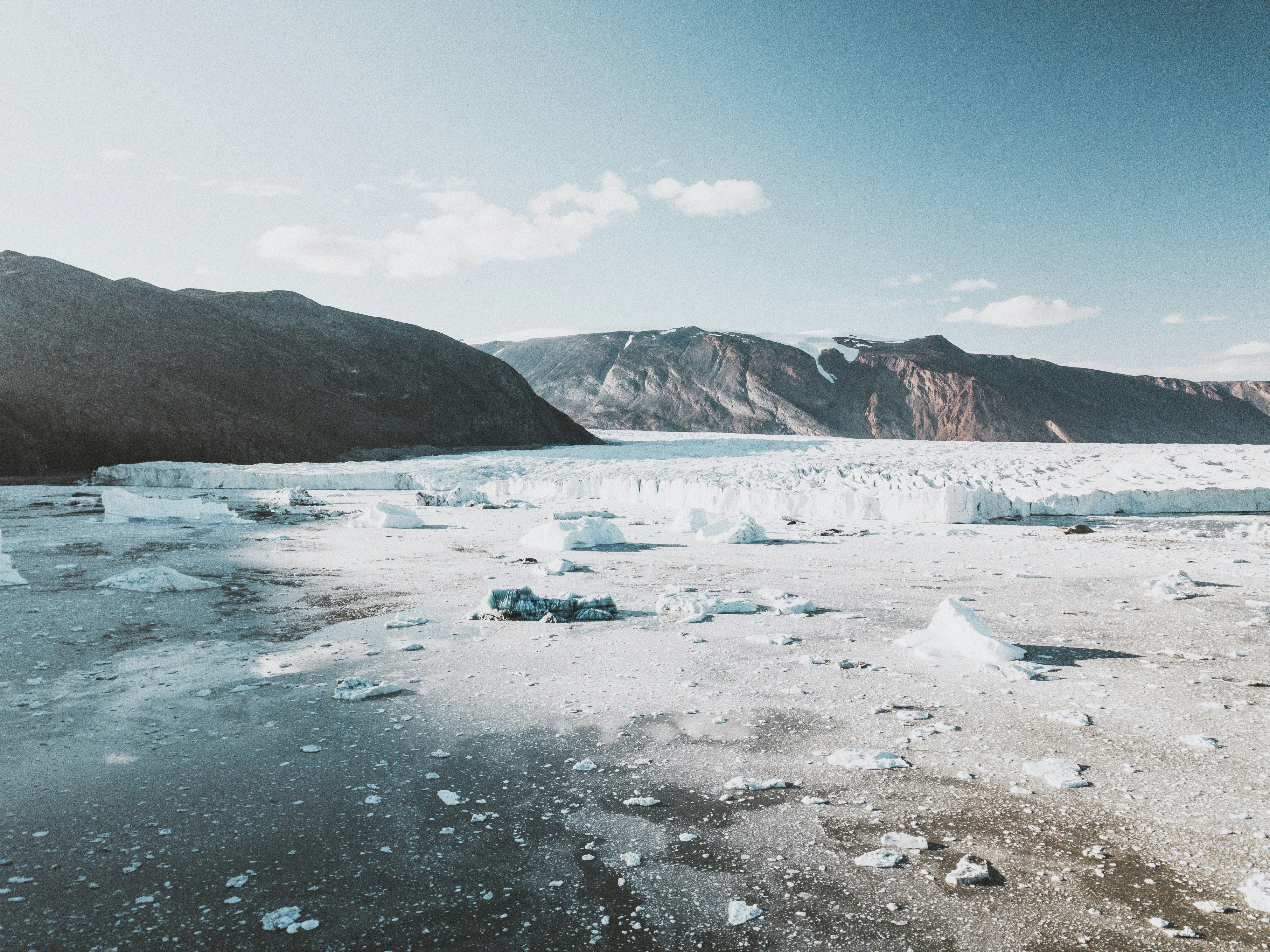
Climate change poses significant threats to Greenland, a region that is experiencing rapid environmental changes due to rising global temperatures. The melting of Greenland’s ice sheet is a direct consequence of climate change and has profound implications not only for the local ecosystem but for global sea levels and weather patterns. The loss of ice contributes to rising sea levels, which can result in flooding in coastal cities around the world, prompting policymakers to confront the urgent need for sustainable solutions.
During discussions with U.S. officials, the environmental policies impacting Greenland were a focal point. The decisions made by the U.S. regarding climate action will not only affect American citizens but echo globally. Greenland’s expansive ice sheet acts as a vital climate stabilizer, and its deterioration reflects the broader challenges that the international community faces. The meeting underscored the interconnected nature of climate systems and economies, emphasizing that the ripple effects of decisions could alter environmental landscapes beyond Greenland.
Furthermore, U.S. investments in renewable energy and carbon emission reduction could serve as a model for Greenland’s own environmental strategy. Collaborative efforts between Greenland and the United States could lead to innovative approaches to combat climate change. These partnerships are crucial as they may influence global climate policies, paving the way for a more sustainable future.
In conclusion, the implications of U.S. environmental policies resonate strongly with the challenges facing Greenland. Addressing climate change through effective collaboration can mitigate risks and protect both Greenland’s pristine environment and global climate stability.
Future Prospects: What Lies Ahead for Greenland?
Following the recent meeting between Trump officials and Greenlandic representatives, a number of potential scenarios could emerge that will significantly impact the future of Greenland. At the forefront, the pivotal issues at hand include resource management, geopolitical interests, and the ongoing quest for autonomy among Greenland’s populace. The stakes are high, as Greenland’s strategic location and rich natural resources attract global powers increasingly eager to secure their interests in the Arctic region.
Various stakeholders have staked their positions, with Denmark’s government emphasizing the importance of maintaining sovereignty in its relations with Greenland, while also showcasing a commitment to sustainable development. On the other side, the United States has shown a keen interest in investing in infrastructure and arctic capabilities, potentially reshaping the bilateral relationship between the two nations.
Following the meeting, speculation arises concerning further negotiations on issues such as land use agreements and military cooperation. The potential for economic partnerships is notable, with interests from both American corporations and European countries that seek to optimize Greenland’s burgeoning mineral resources. This scenario may catalyze significant global diplomatic shifts, with countries around the world closely monitoring developments in the region, given its increasing relevance in discussions around climate change and resource scarcity.
In addition, public sentiment within Greenland plays a crucial role in shaping future policy directions. Increasing calls for greater autonomy suggest that local governance will become a central theme in future negotiations. Young politicians advocating for diverse interests may lead to complex dialogues surrounding independence and resource utilization. The international community will undoubtedly keep a keen eye on how Greenland navigates its relationship with the United States and Denmark in light of these emerging dynamics.
As these developments unfold, it remains imperative to consider the intricacies involving the stakeholders. The strategic negotiations may lead to strengthened alliances or invite increased tensions, thereby shaping not only Greenland’s future but also its position within the broader global landscape.
Conclusion: The Stakes and Global Implications
The meeting between Trump officials and representatives from Denmark marks a pivotal moment in the evolving discourse surrounding Greenland’s future. With significant geopolitical and environmental stakes involved, the implications of this engagement extend beyond the immediate parties involved. Greenland, as a self-governing territory of Denmark, holds a unique position in international politics, particularly concerning natural resources and strategic military interests in the Arctic.
The discussions highlighted during this meeting underscore the delicate balance between the desires of the U.S. for strategic advantage and the interests of Denmark, which are deeply intertwined with the well-being of Greenlandic residents. As the U.S. seeks to bolster its influence in the Arctic, the potential for increased investment and development in Greenland arises. However, this also poses risks of over-exploitation and environmental degradation, leading to a myriad of challenges for the local population.
Furthermore, the wider international community must pay close attention to these developments, as the Arctic region is becoming a contentious arena amid climate change and resource competition. The role of Greenland, therefore, is crucial not just to Denmark or the U.S., but to global sustainability efforts and international diplomatic relations. Engaging in constructive dialogue is essential for all stakeholders involved, as ensuring the sovereignty and rights of Greenlanders is imperative for fostering long-term cooperation and stability in the region.
In summary, the implications of the meeting between Trump officials and Danish representatives will likely reverberate through geopolitical strategies and environmental policies, making the case for continued diplomatic engagement more vital than ever as Greenland navigates its complex future.