Introduction: A Historic Farewell
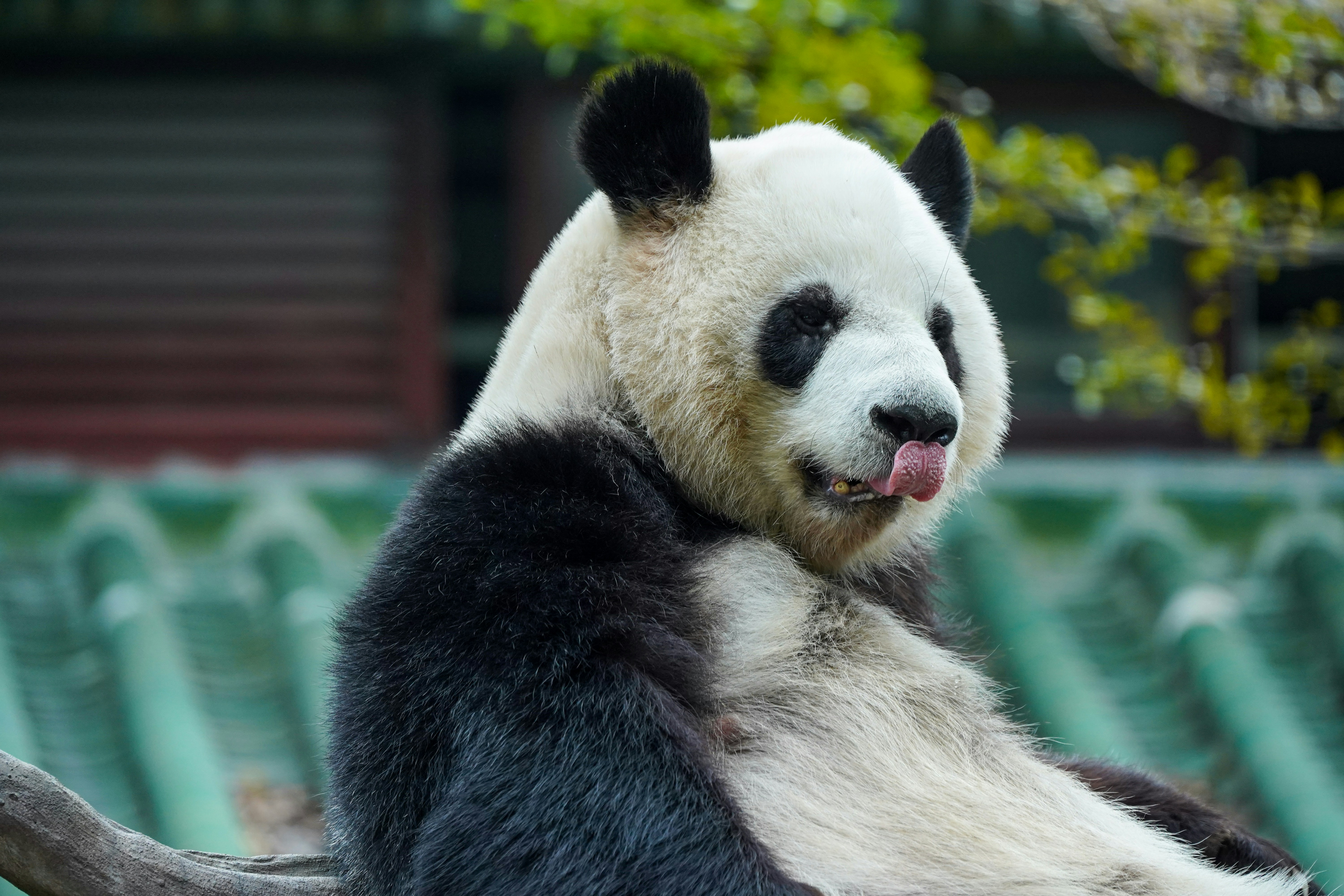
The departure of twin panda cubs Xiao Xiao and Lei Lei from Ueno Zoo marks a deeply poignant moment in the hearts of many in Japan. As the last pandas at this renowned institution, their journey back to China symbolizes more than just a transfer of animals; it encapsulates the essence of cultural exchange and the impact of international relations on wildlife conservation efforts. The emotional farewell event was imbued with sentiments of sadness and nostalgia, highlighting the bond that has developed between the zoo, the pandas, and the citizens of Japan over the years.
Ueno Zoo has long been synonymous with pandas, serving as a beacon of hope and connection between Japan and China. Xiao Xiao and Lei Lei, born in 2021, have captivated the public since their debut, drawing visitors from across the nation and fostering a unique affinity for these endearing creatures. The opportunity to observe their playful antics and nurturing behaviors has allowed people to engage with wildlife in a manner that transcends words. As their departure approaches, the atmosphere at the zoo is filled with bittersweet emotions, reflecting both joy for their new beginnings in China and sorrow at their loss.
This farewell takes place against a backdrop of increasing diplomatic tensions between Japan and China, making it all the more significant. The pandas’ return can be viewed as a potential signal of changing relationships between the two nations, whereby emotional connections may offer insights into the broader political landscape. Thus, the farewell of Xiao Xiao and Lei Lei is not only a momentous occasion for animal lovers but also serves as a symbolic reminder of the fragility and depth of international ties. The lovers of wildlife and those concerned with conservation hope that their journey helps bridge gaps between the nations, inspiring cooperation and understanding in these challenging times.
The Panda Connection: A Symbol of Diplomacy
Giant pandas have long served as a potent emblem of diplomatic relations between China and various nations across the globe. These beloved creatures are not merely representatives of wildlife but also intricately woven into the fabric of international diplomacy, beginning with the establishment of the People’s Republic of China in 1949. The symbolic significance of pandas has been underscored by their role in “panda diplomacy,” a term describing the practice of sending giant pandas abroad as gestures of goodwill and friendship.
One of the earliest instances of this diplomatic strategy dates back to 1972 when China sent two giant pandas, Ling-Ling and Hsing-Hsing, to the United States during President Richard Nixon’s landmark visit. This act was seen as a gesture to thaw Sino-American tensions and foster better relations. Since then, numerous countries have engaged in similar exchanges aimed at strengthening ties with China through these charismatic animals.
In the context of Japan, the relationship with pandas has been particularly significant. The first giant pandas arrived in Japan in 1972, coinciding with the normalization of diplomatic relations between the two nations. This event marked a turning point, highlighting pandas as a bridge between Japan and China during a period characterized by both cooperation and tension. Notably, the giant panda has grown more than a mere symbol; it showcases shared cultural values and mutual respect.
The return of Japan’s last pandas to China, following their prolonged stay, underscores the delicate yet enduring nexus of wildlife conservation and international relations. As Japan confronts its complex historical backdrop with China, the pandas stand as testament to the potential for reconciliation and understanding through cultural diplomacy. The current situation illustrates how these gentle giants continue to impact foreign affairs and nurture connections between nations in an ever-evolving geopolitical landscape.
Ueno Zoo: A Legacy of Love and Care
Established in 1882, Ueno Zoo in Tokyo is Japan’s oldest zoo, and it has become particularly renowned for its giant pandas, which symbolize a deep bond between the animals and the public. The zoo’s history with these beloved creatures began in the 1970s when the first giant panda, a gift from China, was introduced to Japanese audiences, igniting a fascination that spanned generations. Over the years, Ueno Zoo has dedicated significant resources to the care and breeding of pandas, making it an essential part of their conservation efforts.
The emotional connection the Japanese public has developed with Ueno Zoo’s pandas has been profound. Visitors have flocked to witness these captivating animals, resulting in memorable experiences filled with joy and wonder. Special events, media coverage, and the pandas’ charming behaviors contributed to a robust following that transcended cultural barriers. The public’s affection extended beyond simple viewing; it encompassed a community of devoted individuals who engaged in various activities to support the zoo and its pandas.
Through meticulous breeding programs, Ueno Zoo has tried to foster a sustainable population of giant pandas, successfully nurturing several cubs. These efforts underscore the zoo’s commitment to conservation and partnership with Chinese authorities, emphasizing the significance of these animals in diplomatic relations. The bond shared between the zoo staff and the pandas reflects a true legacy of love and care that has persisted over decades.
As Japan’s last pandas prepare to return to China amid a backdrop of tense relations, the emotional significance of their departure resonates deeply with the public. Ueno Zoo’s efforts in nurturing these giants illustrate a lasting impact that speaks to the power of wildlife conservation and the spirit of compassion. This legacy will surely influence future generations’ bonds with these remarkable animals.
Crowds and Emotion: The Day of Farewell
On the day of the farewell, Ueno Zoo transformed into a scene of poignant emotion, as thousands of visitors gathered to bid adieu to Japan’s last pandas. The crowd stretched long before the entrance, with families and panda enthusiasts forming an enthusiastic yet somber line. The atmosphere was imbued with an air of anticipation, as people eagerly awaited their chance to see the beloved twin cubs one last time.
Inside the zoo, the sight of children clutching soft panda toys and families donning panda-themed apparel was a testament to the deep affection felt for these charming creatures. Many were seen capturing the final moments on their smartphones, documenting the tears and smiles that defined the day. The emotional weight of the occasion was palpable; little ones waved goodbye, their expressions a mix of joy over the pandas’ return to their homeland and sadness at their departure.
Throughout the day, stories of the twin cubs were shared among visitors, detailing their journey from birth at Ueno Zoo to becoming national symbols of conservation and cultural exchange. The atmosphere was filled with quiet conversations, laughter, and the occasional sound of sniffles as attendees reflected on the significances of these bears. The poignant scenes of farewell highlighted not only the public’s affection for the pandas but also the broader implications of their departure, amidst concerns surrounding geopolitics and the future of wildlife conservation.
As the day progressed, the emotional gathering served as a powerful reminder of the bond that exists between humans and wildlife. The farewell marked both an ending and a commitment to the continued celebration of these remarkable animals, evoking sentiments that will linger long after the last visitor has left the gates of Ueno Zoo.
Deteriorating Relations: The Political Context
The relationship between Japan and China has historically been marked by fluctuations of cooperation and tension. In recent years, this relationship has seen a significant decline, primarily driven by geopolitical issues and nationalistic sentiments from both countries. The backdrop of this deterioration has largely been influenced by contentious statements made by Japanese officials regarding Taiwan, which has heightened sensitivities and sparked outrage within China. The ongoing military drills conducted around Taiwan by the People’s Liberation Army further complicate this already fragile relationship.
As public sentiment in Japan grows increasingly wary of China’s rising influence, so too does the perception of threat, manifesting in national security policies and diplomatic stances. The Japanese government’s recent remarks concerning Taiwan endorse solidarity with its ally, the United States, yet they simultaneously exacerbate tensions with Beijing. This backdrop is critical to understanding the emotional responses evoked by the return of China’s last pandas to their homeland amidst these geopolitical currents.
The farewell of these pandas, symbolic of friendship and cooperation between Japan and China, highlights the stark contrast between the deepening rift in political relations and the public’s affection for these animals. Many Japanese citizens share fond memories of the pandas, often associating them with peaceful collaboration and cultural exchange rather than division. Thus, the decision to return these beloved creatures came to embody a poignant reminder of the challenges inherent in the current political climate. The pandas’ journey back to China serves as a metaphor for deteriorating ties—a sentimental goodbye reflecting the complexities of international diplomacy within the context of intensified relations between Japan and China.
The Journey Ahead: What’s Next for the Pandas?
The journey back to China for the beloved giant pandas, Xiao Xiao and Lei Lei, is a significant event, not just for the animals themselves, but also for the relationship between Japan and China. As these cherished animals return to their native habitat, the intricate logistics involved in their transition are noteworthy. The pandas are set to arrive at the Chengdu Research Base of Giant Panda Breeding, a state-of-the-art facility known for its commitment to conservation and research.
Upon their arrival, Xiao Xiao and Lei Lei will undergo a period of acclimatization, allowing them to adapt to their new surroundings. The Chengdu facility is designed to provide the appropriate environment for the pandas, mimicking the natural conditions they would experience in the wild. This includes spacious habitats, abundance of bamboo, and critical veterinary care to monitor their health and wellbeing. Their return to China symbolizes a new chapter in their lives, one that encapsulates the ongoing efforts aimed at preserving this endangered species.
In relation to broader conservation efforts, the return of these pandas reinforces China’s commitment to giant panda conservation, showcasing the effectiveness of panda diplomacy. By fostering relationships with other countries through the sharing of these animals, China aims to promote awareness of panda preservation and the importance of biodiversity. The presence of these pandas in their home country will inspire conservationists and enthusiasts alike to actively engage in initiatives that support wildlife protection, highlighting the significance of international collaboration in addressing environmental concerns.
As this journey unfolds, it remains crucial to observe the implications of their return on Japan-China relations. The pandas may serve as a bridge to strengthen bonds between the two nations, reminding us of the power of shared symbols in transcending political tensions.
Pandas and Economics: The Cost of Conservation
The relationship between Japan and China regarding pandas is often seen through the lens of diplomacy and cultural exchange. However, the financial implications of housing these beloved bears are significant. When countries enter into agreements to loan pandas, there are hefty annual fees associated with their care and maintenance. These fees, which can reach several hundred thousand dollars, are indicative of the broader economic considerations involved. For instance, Japan has invested substantial resources into creating habitats that meet the specific needs of pandas, as well as into ongoing veterinary care and specialized diets.
Moreover, the presence of pandas often boosts tourism in the host country, acting as a considerable draw for visitors. In Japan, the dual responsibilities of hosting pandas while catering to the expectations of visitors underscores the complex web of economic factors influenced by such diplomatic loans. The attraction to panda exhibits not only enhances public interest in wildlife conservation but may also lead to a rise in local business revenue, ultimately contributing to the broader economy.
On the flip side, the political costs cannot be overlooked. The agreement to host pandas can be perceived as both a diplomatic stint and a financial strain, particularly amid tense relations. These interactions often reflect a balancing act—where conservation efforts must be weighed against the potential fallout of geopolitical tensions. The long-term sustainability of such initiatives depends on a recalibrated focus not only on conservation but also on fostering enduring bilateral relations. Therefore, decisions involving relatively high costs of panda loans must also consider the political ramifications and the potential for fostering goodwill between nations.
Public Reactions: Social Media and Beyond
The recent departure of Japan’s last pandas back to China has sparked a wave of emotional reactions across various platforms, illuminating the deep cultural connection the Japanese people have with these beloved animals. Social media, in particular, has become a vibrant canvas for expressing sentiments, with hashtags such as #PandasReturn and #GoodbyePandas trending on platforms like Twitter and Instagram. Users are sharing nostalgic memories and heartfelt messages, reflecting on the joy that these pandas have brought to their lives over the years.
In addition to the online discourse, traditional media outlets have also covered public reactions extensively. Newspaper articles and television segments feature interviews with children and adults alike who have frequented Ueno Zoo, where the pandas resided. Many individuals described their first encounters with the pandas as magical experiences, fostering a sense of community and connection that transcends mere animal attraction. The widespread affection for these creatures highlights Japan’s admiration for Chinese symbolism, as pandas represent peace and diplomacy.
The sentiments expressed on social media reveal a collective mourning of sorts, with many users posting images and videos taken during visits to the zoo, accompanied by emotional captions. Many comments reflect a sense of loss, coupled with expressions of gratitude for the opportunity to have witnessed the pandas’ playful antics. Some commentators also discussed the geopolitical implications of the pandas’ return to China, suggesting that their absence may affect Japan’s cultural landscape and international relations.
Across social media and public platforms, the reactions encapsulate not just the affection towards the pandas, but also a broader narrative about cultural ties and the implications of their return to their native land. These reflections on social connectivity demonstrate that while they may be leaving Japan, the pandas will forever hold a special place in the hearts of many.
Conclusion: A Symbol of Hope
The departure of Japan’s last pandas back to China serves as a significant emotional moment for many involved, transcending mere headlines and statistics. While the pandas, often viewed as symbols of wildlife conservation and international exchange, have elicited profound sentiments, their return carries deeper implications. This event highlights the intricate interplay between cultural ties, political climates, and international relations. As the world observes, these cherished creatures represent both the best and worst of diplomatic engagement.
Moreover, the recognition of these specialized pandas as symbols of goodwill encompasses the necessity of nurturing relationships across borders. As their departure is felt in zoos and homes alike, it reminds us of the delicate fabric that weaves nations together. The goodbyes from the public are not merely for the animals themselves but reflect a broader longing for cooperation and understanding in a time where political tensions may threaten such exchanges.
The blend of wildlife, culture, and politics offers a compelling narrative; one that suggests pandas are not just animals residing in a distant land, but embodiments of shared humanity and the efforts for peaceful coexistence. This poignant transition urges a contemplative response from audiences—a reminder that while personal losses can be profound, they also spark discussions about our collective responsibilities towards wildlife and international relationships.
In this light, the story of Japan’s last pandas becomes much more than that of animals simply changing habitats; it signifies the enduring hope vested in diplomacy and the vital importance of sustaining goodwill between nations, especially in times marked by uncertainty.