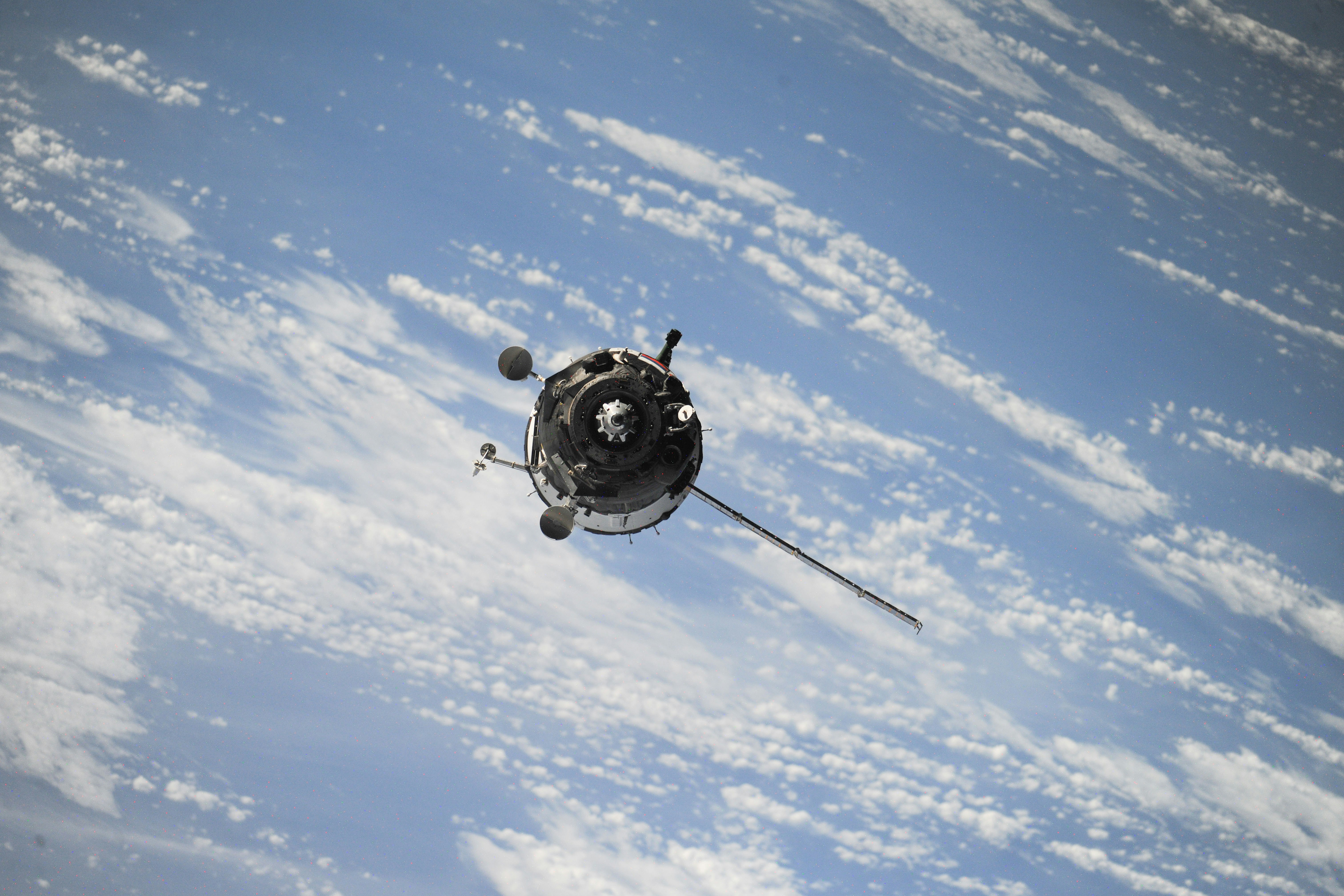
Introduction to the Delayed Return
The recent postponement of the return of Chinese astronauts highlights a critical issue in the realm of space exploration: the threat posed by space debris. This situation arose when officials delayed the Shenzhou-20 mission’s return to Earth due to heightened concerns regarding potential collisions with fragments of defunct satellites and spent rocket stages. As human spaceflight ventures become increasingly prevalent, understanding the implications of space debris on these missions is essential for ensuring the safety of astronauts and the integrity of spacecraft.
Space debris, which includes both large objects and tiny fragments resulting from numerous space missions, poses a significant risk to operational spacecraft. The accumulation of debris in Earth’s orbit, estimated to number in the millions, underscores the urgency of addressing this pervasive challenge. Human missions, such as the Shenzhou-20, must navigate these hazardous environments carefully. The decision to delay the astronauts’ return serves as a stark reminder of the vulnerabilities associated with space travel—not only for astronauts but also for the broader implications for space exploration as a whole.
Understanding the dynamics of space debris is paramount for future missions, as agencies and countries worldwide advance their aspirations for exploration and exploration. The delicate balance between the eagerness to push boundaries and the necessity to safeguard lives and equipment becomes increasingly apparent. The Shenzhou-20 astronauts’ delayed return exemplifies how environmental factors in low-Earth orbit can impact well-laid plans, illustrating the need for continuous monitoring and innovation in debris mitigation strategies.
This incident brings to light the importance of global cooperation in addressing the challenges of space debris, as inter-agency collaboration can enhance detection and avoidance strategies. As we delve deeper into the specifics of this situation, it becomes clear that the implications of space debris extend far beyond individual missions, influencing the future of human spaceflight and our ability to safely explore the cosmos.
Who Are the Chinese Astronauts?
The recent Shenzhou 20 mission has attracted considerable attention not only for its objectives but also for the esteemed astronauts involved. This mission comprises three prominent astronauts, each bringing a wealth of experience and expertise to the team’s endeavors in space exploration. The crew includes Commander Chen Dong, Flight Engineer Liu Yang, and Mission Specialist Zhang Lu, who collectively represent a significant milestone in China’s ongoing efforts in space science and technology.
Commander Chen Dong has previously participated in the Shenzhou 11 mission, where he spent approximately 30 days aboard the Tiangong space station. His leadership and poise in high-pressure environments have garnered respect both domestically and internationally. Liu Yang, renowned as China’s first female astronaut, made history in 2012 during the Shenzhou 9 mission. She has since contributed actively to the advancement of women’s roles in space programs and serves as an inspirational figure in promoting STEM education for young girls worldwide.
Mission Specialist Zhang Lu is also a veteran astronaut, having trained rigorously for her role. Her previous experience in the Shenzhou 12 mission provided her with practical knowledge in conducting experiments in microgravity conditions. Together, this trio’s extensive training included simulations, physical conditioning, and technical education, equipping them with the skills needed to handle the complexities of their current mission.
The overarching significance of their current mission lies not only in its scientific goals but also in its role as a step forward for China’s ambitions in space exploration. This mission has garnered immense public interest, emphasizing the crucial contributions that these astronauts make toward advancing our understanding of the cosmos and reinforcing China’s status in international space endeavors.
Understanding Space Debris
Space debris, commonly referred to as space junk, encompasses all human-made objects in orbit around Earth that no longer serve a useful function. This category includes defunct satellites, spent rocket stages, and fragments resulting from collisions or disintegration of spacecraft. The formation of space debris is primarily attributed to past space missions and accidents; every satellite that fails or is intentionally destroyed contributes to the growing population of debris. As of 2023, it is estimated that there are over 34,000 pieces of debris larger than 10 centimeters in orbit, along with millions of smaller fragments that pose significant risks to operational space vehicles.
The various types of space debris can be classified into three main categories: inactive satellites, spent rocket bodies, and fragmentations from collisions. Inactive satellites are those that have reached the end of their operational life, whereas spent rocket bodies refer to the upper stages of launch vehicles that are no longer functional. Fragmentation debris arises from events such as collisions between spacecraft or explosions of retired satellites, which can create hundreds to thousands of additional smaller pieces that further complicate space operations.
The risks posed by space debris are profound. Even a small fragment traveling at high velocities can cause catastrophic damage to active satellites or crewed spacecraft. This threat is amplified for astronauts aboard missions like Shenzhou 20, as any collision with space debris could endanger their safety during their return journey. The growing population of debris necessitates measures such as collision avoidance maneuvers, which require precise calculations and planning. Given the increasing number of satellites being launched globally, continuous monitoring and mitigation strategies for space debris are critical to ensuring safe operations for future missions and the well-being of astronauts.
The Incident Leading to the Delay
The return journey of the Shenzhou 20 astronauts faced unexpected complications following a critical incident during their mission, which raised significant concerns regarding the integrity of their spacecraft. Just before initiating the descent procedure, mission control detected unusual readings from the spacecraft’s monitoring systems, indicating a potential impact from space debris. These alerts prompted immediate discussions among the team of experts at the control center, emphasizing the need for a thorough evaluation of the spacecraft’s condition.
Expert assessments revealed that the trajectory of space debris posed a real threat, with potential collision risks affecting the spacecraft’s hull integrity. “Safety is our paramount concern,” noted a representative from the mission control team. “We will not take unnecessary risks when it comes to the lives of our astronauts.” This cautious outlook led to a pivotal decision: delaying the return until a comprehensive inspection could be carried out.
Further analysis involved both visual inspections via telemetry and simulations to ascertain the exact nature of the possible damage. Experts articulating their findings expressed that even minor breaches could lead to catastrophic failures during reentry. “The spacecraft must be in optimal condition to safely navigate the harsh conditions of reentry,” a safety engineer remarked. Their meticulous approach highlighted the considerable risks associated with space missions, particularly noting that space debris is increasingly becoming a significant concern for all operators in low Earth orbit.
Through the careful deliberations and decisive action exhibited by mission control, the postponement of the astronauts’ return was firmly grounded in a commitment to ensuring their safety. This incident showcased the unpredictable nature of space travel and the critical responsiveness required to address potential hazards, reaffirming the importance of diligent monitoring of such threats within the evolving realm of space exploration.
Safety Protocols in Space Missions
Space missions, particularly those involving crewed spacecraft, are meticulously planned with comprehensive safety protocols to ensure the astronauts’ secure return to Earth. In light of evolving challenges, such as the increasing threat of space debris, these protocols undergo continual refinement to address potential hazards effectively. Standard operating procedures (SOPs) play a pivotal role in the preparation and execution of missions, outlining the steps to be taken during various phases, including return and landing.
Each space mission begins with extensive risk assessments that evaluate potential threats, such as the presence of space debris. For missions like Shenzhou-20, the safety of astronauts is paramount, prompting mission planners to analyze the trajectory of the spacecraft and any objects in orbit that may pose a collision risk. These assessments are informed by data from space tracking organizations, which monitor the movements of debris and provide timely updates to mission teams. Adjustments to flight paths may be made based on this intelligence to avoid known debris fields, enhancing the crew’s safety during the return phase.
Contingency planning is also a critical component of the safety protocols. In the event that an unforeseen issue arises, such as the potential impact of space debris, astronauts are trained to follow established emergency procedures. This includes protocols for altering descent trajectories, should an encounter with debris be imminent. Additionally, spacecraft are equipped with protective measures designed to withstand impacts with small debris particles, further ensuring the astronauts’ safety during their journey home.
Ultimately, the integration of refined safety measures, rigorous training, and real-time monitoring of space debris enhances the mission’s resilience against multiple hazards, ensuring that astronauts can navigate their return journey safely.
Implications for the Current Mission
The recent delay in the return of the Chinese astronauts has significant implications for their ongoing mission aboard the Shenzhou spacecraft. As they await a new launch window, several factors come into play that could affect the astronauts both physically and psychologically. The prolonged duration in space can lead to potential health issues, including muscle atrophy, bone density loss, and challenges with cardiovascular stability due to the microgravity environment. Extended missions necessitate diligent exercise programs and nutrition management to mitigate these risks. As the astronauts adjust their routines, they must remain vigilant in maintaining their physical fitness, which can be increasingly challenging without the usual support from mission control.
Moreover, the psychological impact of an extended stay cannot be underestimated. Isolation and separation from family can contribute to stress, anxiety, and in some cases, depression. To counter such effects, maintaining communication with loved ones and engaging in recreational activities can prove beneficial for mental well-being. The extended time in orbit, central to the mission’s endeavor to study the effects of prolonged space travel on the human body, sets a unique precedent. Consequently, their experiences during this period may aid future missions and contribute valuable insights for scientists.
From a logistical standpoint, the delayed return complicates ongoing scientific experiments that depend on a strict timeline for data analysis and sample collection. The astronauts on the Shenzhou mission are conducting a range of experiments aimed at furthering our understanding of space conditions. Delays may hinder timely results and impact broader research goals. In light of the challenges posed by space debris that influence safety and trajectory, mission planners will need to adapt protocols to ensure the astronauts’ safe return while maximizing the scientific output of this unexpected extension in space.
Global Perspective on Space Debris
The growing concern surrounding space debris is a global phenomenon that encompasses more than just a singular nation’s interest. As the frequency of space missions increases, so does the accumulation of defunct satellites and other fragments, creating a hazardous environment in Earth’s orbit. The international community has recognized that space safety transcends borders, and thus a concerted effort has been initiated to address this pressing challenge. Various space agencies and organizations around the world are collaborating to develop strategies aimed at mitigating the risks posed by space debris.
Countries such as the United States, Russia, and members of the European Space Agency (ESA) have actively engaged in discussions and initiatives to tackle the issue. The Inter-Agency Space Debris Coordination Committee (IASDC) plays a pivotal role in facilitating this collaboration by establishing guidelines and best practices for debris mitigation. With growing awareness, nations are coming together to share research and technology, aiming to create standardized practices that ensure safer operations in space.
China’s space program fits within this global dialogue, particularly following incidents like the recent Shenzhou 20 mission, where the delayed return of astronauts raised questions regarding space debris’s impact on mission safety. By being part of international forums, China can contribute to and benefit from collective efforts that aim to minimize debris generation. Furthermore, the Chinese government has started implementing measures to enhance their spacecraft’s design, minimizing the potential for generating additional debris upon deorbiting.
As the world moves toward a future where space exploration becomes increasingly common, the recognition of space debris as a universal issue highlights the necessity for all space-faring nations to adopt a unified approach, ensuring the sustainability of Earth’s orbital environment for future explorers.
Future of Space Exploration and Debris Management
The recent incident involving the delayed return of Shenzhou-20 astronauts, as reported by CNN, underscores the pressing challenge of managing space debris in the realm of space exploration. As the frequency of space missions increases, the proliferation of debris poses a significant threat to spacecraft, necessitating innovative solutions to ensure astronaut safety and mission success.
One potential approach to debris management involves the adoption of advanced tracking technologies. Improved surveillance systems can provide real-time data on the location and trajectory of space debris, enabling mission planners to take proactive measures. Additionally, the development of automated systems that can adjust spacecraft orbits in response to incoming debris is becoming increasingly essential. These innovations could significantly reduce the risk of collision, creating a safer environment for astronauts traveling to and from space stations.
Another critical aspect of addressing space debris is the implementation of rigorous regulations and international cooperation. As nations continue to engage in space exploration, it is imperative to establish comprehensive policies that govern satellite launches and the management of defunct spacecraft. Collaborative efforts, such as sharing tracking information among countries, can enhance the collective capacity to predict and avoid potential collisions. Furthermore, binding agreements targeting debris mitigation strategies, such as the removal of inactive satellites, are necessary to promote sustainable practices in orbit.
Research into debris removal technologies is also essential. Concepts like harpooning or capturing debris with nets, as well as the use of laser systems to deorbit smaller fragments, are being explored. These innovative techniques could substantially decrease the amount of debris currently orbiting Earth. With combined efforts from technology advancement, policy changes, and international collaboration, the future of space exploration can be navigated more safely, allowing astronauts to return home without delay or danger posed by space debris.
Conclusion: Lessons Learned from the Delay
The recent delay of the Shenzhou 20 mission due to the presence of space debris highlights critical lessons regarding the safety of astronauts during space travel. As the return of the crew was postponed, it became evident that space debris continues to pose significant risks to missions. Astronauts face potential hazards not only from the launch and operation phases but also from their journey back to Earth. This incident serves as a reminder of the necessity for ongoing vigilance and comprehensive risk management strategies in future space explorations.
Space debris is an ever-growing issue, with thousands of pieces orbiting the Earth, posing real threats to spacecraft. The Shenzhou 20 incident underscores the importance of integrating robust tracking and monitoring systems to improve safety protocols. Ensuring that astronauts remain safe during their missions requires advanced technology to predict and mitigate risks associated with space debris. Preparing for such events can significantly enhance the chances of successful missions, preserving both crew safety and mission integrity.
Furthermore, this incident serves as a catalyst for collaborative efforts among nations and private entities involved in space exploration. Sharing data, resources, and expertise is vital for developing effective strategies to manage space debris. Research and innovations in debris removal technologies and safe navigation practices must be prioritized in upcoming missions. The delayed return of the Shenzhou 20 astronauts should be viewed as an opportunity to advance historical lessons and enhance our preparedness for future challenges in space travel.
In this context, the Shenzhou 20 mission becomes a pivotal moment, reinforcing the idea that managing space debris is not only crucial for the safety of astronauts but also for ensuring the sustainability of space exploration. Future missions must learn from this delay to foster an environment of safety and responsibility as humanity continues to push the boundaries of space travel.