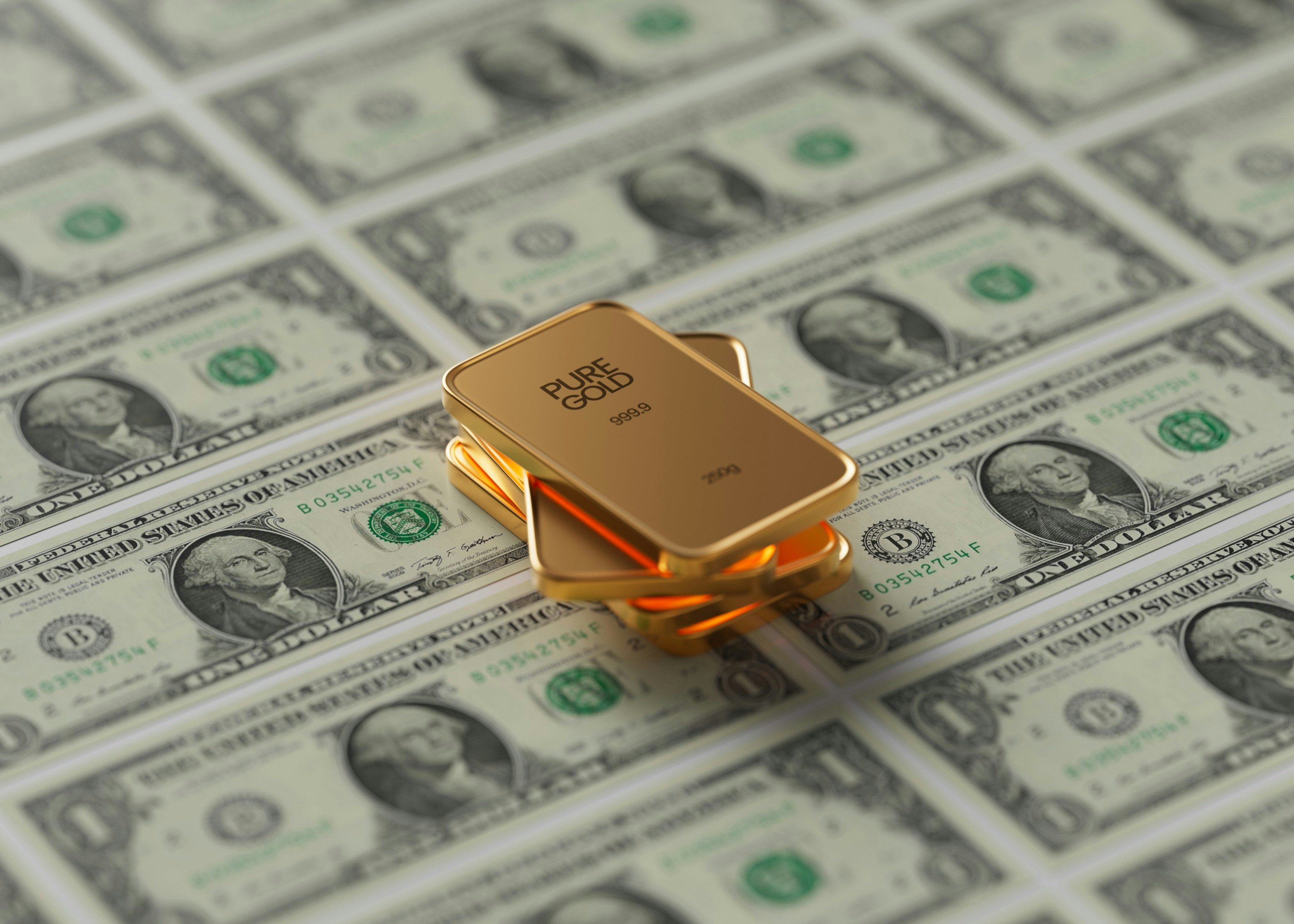
Introduction to Gold as an Investment
Gold has been a highly sought-after asset throughout history, valued not only for its aesthetic qualities but also for its inherent stability as an investment. Traditionally, gold is perceived as a safe haven during periods of economic uncertainty. Investors often flock to gold as a means to shield their wealth from fluctuations in the financial markets. The historical significance of gold as an economic barometer can be traced back thousands of years, establishing it as a critical medium of exchange and a store of value.
One of the primary reasons investors gravitate towards gold during turbulent times is its ability to act as a hedge against inflation. As the prices of goods and services rise, the purchasing power of currency can diminish. Gold, on the other hand, often maintains its value, and in many cases, appreciates during inflationary periods. This characteristic makes gold an attractive option for individuals seeking to protect their assets when traditional currencies lose their purchasing power.
In addition to serving as an inflation hedge, gold plays a crucial role in safeguarding against currency devaluation. When governments print excessive amounts of money, the value of national currencies can decrease, threatening the wealth of citizens. Gold’s intrinsic value, coupled with its global recognition, provides a reliable alternative. As a tangible asset, gold cannot be devalued in the same manner as fiat currencies, making it an essential part of a balanced investment portfolio.
The present context also demands an understanding of the trends and factors affecting the gold market. With geopolitical tensions, economic fluctuations, and changes in central bank policies, the dynamics of gold investments continue to evolve. This article will delve into the current trends in gold pricing, along with insightful predictions that will help investors make informed decisions through December 2026.
2023 Gold Market Overview
In 2023, the gold market experienced notable fluctuations driven by a multitude of factors, including economic conditions, geopolitical dynamics, and central bank policies. The year began amidst heightened concerns surrounding inflation, which prompted investors to seek safety in gold—a traditional hedge against economic uncertainty. The global economy faced ongoing challenges, including supply chain disruptions, labor shortages, and rising interest rates, all of which contributed to the volatility of gold prices.
Geopolitical tensions further influenced market sentiment, with events such as conflicts in Eastern Europe and trade disputes between major economies creating a sense of instability. These tensions often led to increased demand for gold as a safe-haven asset, pushing prices upward. Additionally, the geopolitical landscape had a ripple effect on investor confidence, with many turning to gold amid fears of potential economic downturns or crises.
The monetary policy landscape in 2023 played a crucial role in shaping gold prices. As central banks around the world grappled with inflationary pressures and economic recovery strategies, their decisions regarding interest rates and quantitative easing had immediate implications for the gold market. The Federal Reserve, for instance, signaled a cautious approach to interest rate increases, prompting mixed reactions in the gold sector. When interest rates are low, gold tends to perform well, as the opportunity cost of holding non-yielding assets decreases.
Throughout the year, gold prices recorded significant movements, illustrating a complex interplay of market forces and investor behavior. The overall investor sentiment was marked by a cautious optimism, with many keeping a keen eye on macroeconomic indicators and central bank statements. As we progress further into the year, it remains essential to observe how these factors will continue to influence gold prices, as well as the broader financial landscape.
Factors Influencing Gold Prices in 2023
In 2023, several pivotal factors have shaped the landscape of gold prices, reflecting dynamic interactions within the market. One of the primary influences is the law of supply and demand. Throughout the year, global demand for gold has experienced fluctuations driven by both consumer interest and industrial applications. Significant demand from nations such as India and China, coupled with geopolitical tensions, has underpinned higher prices. Conversely, any increase in mining production or recycle rates can lead to an oversupply, which in turn may exert downward pressure on prices.
Interest rates also play a crucial role in determining gold prices. As central banks, particularly the Federal Reserve, adjust interest rate policies in response to economic data, these changes can influence investor sentiment towards non-yielding assets like gold. In 2023, rising interest rates have made traditional savings vehicles more appealing, causing some investors to pivot away from gold. Conversely, when rates decline or remain low, gold often benefits from heightened investment interest due to its status as a safe haven during times of uncertainty.
Inflation data is another determinant influencing gold investment decisions. As inflationary pressures have intensified in various economies, gold has been seen as a hedge against devaluation of currency. Investors tend to flock to gold amid concerns regarding purchasing power erosion, thus driving its value higher during inflationary periods. Additionally, fluctuations in the performance of the U.S. dollar have had a direct impact on gold prices. A weaker dollar typically enhances the attractiveness of gold to international investors, leading to increased demand and higher prices.
Technological advancements and shifting consumer behaviors have also transformed the gold market in 2023. The rise in digital platforms for buying and trading gold has made investments more accessible, attracting a younger demographic. As attitudes towards gold as a traditional investment vehicle evolve, its significance remains pivotal in portfolio diversification strategies.
Current Trends and Analysis in Gold Pricing
The gold market has experienced significant fluctuations in pricing throughout 2023, influenced by a variety of economic factors and geopolitical events. Recently, gold prices have shown a pronounced oscillation due to changing interest rates, inflationary pressures, and shifts in investor sentiment. As of October 2023, gold is trading within a range that reflects both a safe-haven appeal and the impact of central bank policies. Analysts have observed that the fluctuation in prices is often correlated with the strength of the U.S. dollar and global economic stability.
Charting techniques reveal that gold has maintained a upward trend, marked by several key resistance and support levels. A technical analysis approach indicates that gold prices may experience enhanced volatility but generally retain an upward trajectory, especially as inflation persists. Many experts suggest that prices could test historical highs in response to potential economic downturns or increased tensions in geopolitical affairs. In addition, indicators such as moving averages and the relative strength index (RSI) provide insights into future movements of gold prices, suggesting that market participants should remain vigilant.
Furthermore, the role of speculative investments cannot be overlooked in the current gold market. Hedge funds have increasingly included gold in their portfolios as a hedge against potential currency devaluation and economic uncertainty. This speculative demand often drives short-term price movements and yields a more dynamic market. The interplay between institutional investors and retail demand contributes to price dynamics, making it essential to analyze both sectors when forecasting future price trends. Overall, understanding the various influences on gold pricing can help stakeholders navigate the complexities of investing in precious metals during this period of market volatility.
Predictions for Gold Prices Until December 2026
As we move further into the decade, gold continues to capture the attention of investors and analysts alike. With a backdrop of fluctuating economic conditions and geopolitical uncertainties, predictions for gold prices until December 2026 reveal a complex landscape. Various experts have weighed in, leveraging historical data and macroeconomic indicators to outline potential price trajectories for the precious metal.
One prevailing viewpoint among analysts is that gold prices may remain on an upward trend, driven primarily by inflationary pressures and central banks’ monetary policies. As central banks around the world maintain accommodative stances, concerns over currency depreciation could bolster gold’s appeal as a hedge against inflation. Predictions suggest that, if inflation remains persistently high, gold prices could range between $2,000 and $2,500 per ounce by the end of 2026.
Conversely, some analysts argue that fluctuations in interest rates could hinder gold’s ascent. If central banks shift towards tighter monetary policies, rising interest rates could dilute gold’s allure as a non-yielding asset. In this scenario, forecasts estimate that gold prices could stabilize around $1,700 to $2,000 per ounce, contingent on the global economic recovery and shifts in consumer demand.
Geopolitical factors also play a critical role in shaping the outlook for gold prices. Events such as trade tensions, political instability, or significant global conflicts could lead to increased demand for safe-haven assets. Additionally, emerging markets’ demand for gold could further influence price dynamics, as countries seek to diversify their reserves amid uncertain economic conditions.
In summary, the predictions for gold prices until December 2026 reflect a convergence of optimism and caution among market analysts. With potential price ranges shaped by macroeconomic trends and geopolitical developments, stakeholders in the gold market will need to stay vigilant as they navigate this constantly evolving landscape.
Gold Investment Strategies for 2024-2026
Investing in gold has always been a pivotal strategy for wealth preservation, particularly in uncertain economic climates. As we look towards 2024 and beyond, it is crucial to consider various methods of gold investment that align with forecasted market conditions and individual risk tolerance. Three common avenues for gold investment include physical gold purchases, exchange-traded funds (ETFs), and mining stocks, each with its own distinct advantages and challenges.
Physical gold, such as bullion and coins, provides tangible ownership and can act as a hedge against inflation and currency volatility. However, investors must navigate the associated risks, including storage fees and potential liquidity concerns when selling. Physical gold appeals to those who prioritize control over their investments and desire a safe-haven asset during economic downturns.
ETFs present an attractive alternative for investors who seek exposure to gold without the complications of physical ownership. Gold ETFs track the price of gold and can be traded on stock exchanges, providing ease of transaction and liquidity. However, it is essential to understand that investing in ETFs may expose holders to management fees and the risk of counterparty default. Despite these risks, ETFs have gained popularity due to their convenience and lower barriers to entry compared to physical gold.
Mining stocks represent another investment strategy centered on gold, offering the potential for significant returns linked to the operational success of mining companies. While they can benefit from rising gold prices, mining stocks often introduce additional volatility due to factors such as operational risks, geopolitical issues, and fluctuating production costs. Investors in mining stocks should conduct thorough research on individual companies and their operational health.
Ultimately, the choice of investment strategy should align with one’s financial goals and risk appetite. As we navigate the evolving landscape of gold investments through 2026, it is important to stay informed and adjust strategies based on market trends and economic indicators.
Risks and Considerations in Gold Investment
Investing in gold has long been perceived as a safe-haven strategy, particularly during periods of economic uncertainty. However, potential investors must acknowledge the inherent risks associated with this commodity. One of the primary concerns is market volatility. The gold market can experience significant price fluctuations due to various factors, including changes in investor sentiment, fluctuations in currency values, and evolving supply-demand dynamics. Such volatility can lead to substantial gains or losses within a short time, which may deter risk-averse investors.
Geopolitical unrest also poses a considerable risk to gold investments. Events such as conflicts, political instability, or economic sanctions can negatively impact market performance. While gold is typically considered a hedge against such instability, the response of financial markets can be unpredictable. In certain scenarios, instead of rising, gold prices might stagnate or decline as liquidity in the market becomes constrained. Thus, potential investors should remain vigilant regarding global events that could directly or indirectly influence gold prices.
Additionally, changes in monetary policies warrant close attention. Central banks play a significant role in the valuation of gold. Decisions regarding interest rates, inflation management, and quantitative easing can create ripple effects throughout the gold market. A rise in interest rates, for instance, often leads to a decline in gold prices as the opportunity cost of holding non-yielding assets increases. This correlation highlights the importance of staying informed about economic indicators and central bank communications.
To mitigate these risks, diversification within an investment portfolio is crucial. Allocating a portion of one’s portfolio to gold can provide a hedge against inflation and currency devaluation; however, relying solely on gold can lead to undue risk. By incorporating various asset classes, investors can balance risk and potentially improve returns over time. Therefore, a well-rounded investment strategy is essential for navigating the complexities of gold investments.
Alternative Precious Metals: A Comparative Analysis
When evaluating the investment landscape of precious metals, gold often takes center stage due to its historical significance and perceived stability. However, it is vital to consider other precious metals such as silver, platinum, and palladium, which each have unique properties and market dynamics that may complement an investment strategy.
Silver, known for its dual role as an industrial metal and a store of value, often sees increased demand during economic expansion due to its extensive use in electronics and solar panels. Its price can be more volatile than gold, but it often provides a lower entry point for new investors. Additionally, silver’s historical correlation with gold positions it as a strategic hedge, especially during periods of economic uncertainty.
Platinum, typically rarer than gold, is primarily used in automotive catalyzing systems and jewelry. The platinum market can experience fluctuations based on the automotive industry’s health, making it sensitive to changes in consumer behavior and technological advancements. Recently, there has been a surge in interest for platinum as car manufacturers pivot towards electric vehicles, potentially influencing its long-term demand.
Palladium, much like platinum, is essential in the automotive industry for pollution control and has experienced significant price increases in the past decade. Its scarcity and rising demand contribute to its value as an investment. Investors considering palladium should analyze its market trends, particularly as governments worldwide enforce stricter emission regulations.
In this broader context, gold remains a valuable asset for portfolio diversification. Its role as a safe haven is particularly apparent during economic downturns, offering both risk mitigation and potential appreciation. Ultimately, understanding the comparative dynamics of these metals allows investors to make informed decisions, incorporating a balanced approach to their portfolios that includes various precious metals based on their personal risk tolerance and financial goals.
Conclusion: The Future of Gold Investments
As we analyze the trends and predictions surrounding gold prices from 2023 to December 2026, it is evident that gold continues to hold its status as a traditional safe-haven asset. The historical performance of gold showcases its resilience in times of economic uncertainty, inflation, and geopolitics. However, investors must recognize that the future price movements of gold will be influenced by a multitude of factors, including monetary policy changes, global economic stability, and shifts in investor sentiment.
The interplay between interest rates and gold prices remains a crucial aspect for investors to consider. When interest rates rise, the opportunity cost of holding non-yielding assets like gold increases, often leading to a decrease in gold’s allure. Conversely, in low-interest-rate environments where inflation is a concern, gold typically garners more attention as a hedge against currency debasement. Hence, staying updated with central bank policies and their implications on economic conditions can significantly inform investment strategies related to gold.
Moreover, geopolitical tensions, as well as changes in global demand for gold in sectors such as technology and jewelry, cannot be discounted. These factors contribute to the intricate dynamics governing gold pricing. In light of such complexities, it is prudent for investors to conduct thorough market research and maintain awareness of both macroeconomic indicators and industry developments.
In closing, while gold has proven itself as a reliable asset over time, its future performance will inevitably be shaped by numerous variables. Therefore, prospective investors should remain vigilant about market conditions and consider gold as a viable investment option, diversifying within their portfolios. Additionally, continuous exploration of market insights will further enhance understanding and decision-making regarding gold investments in the forthcoming years.