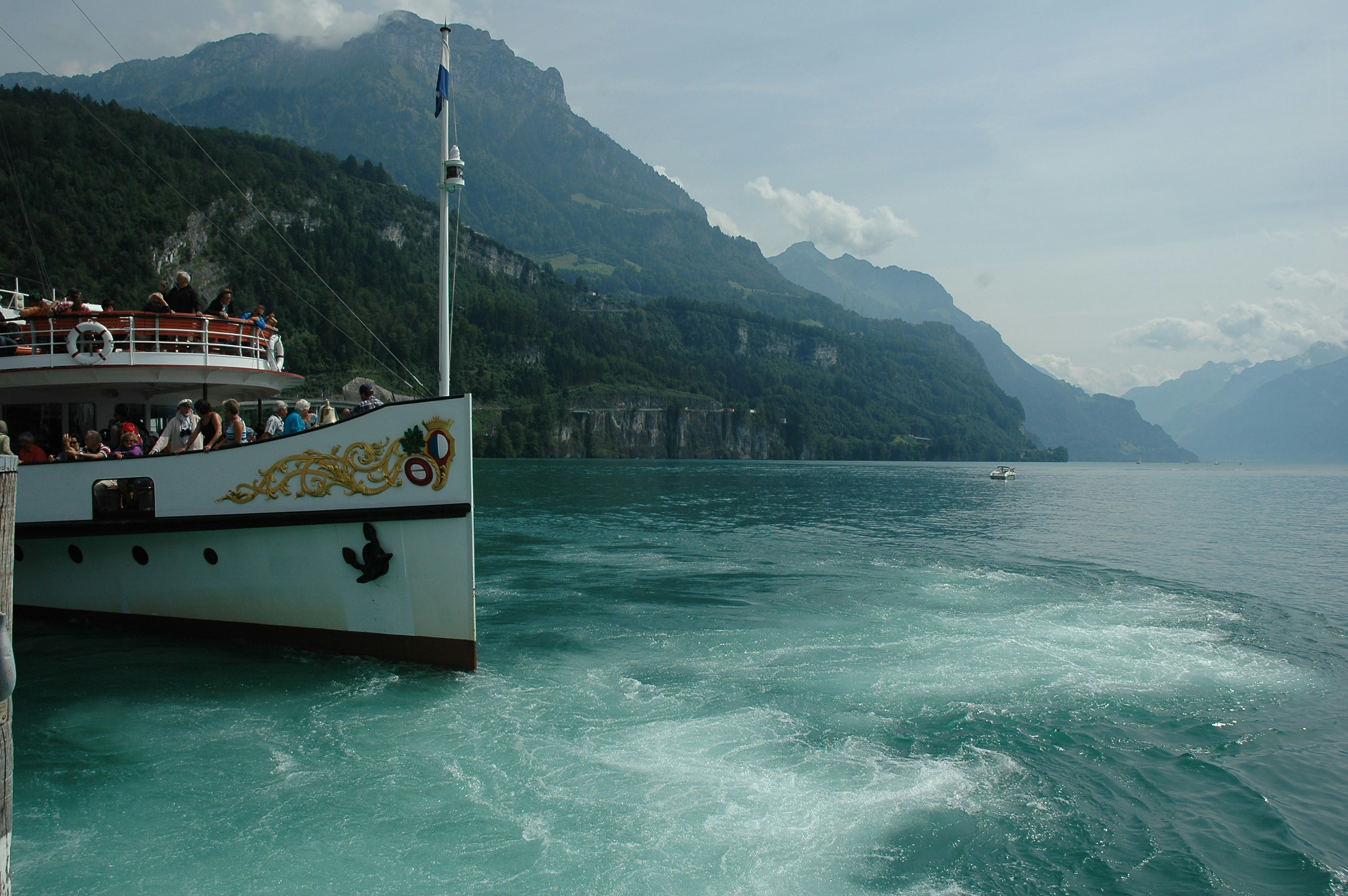
The Allure of the World’s Clearest Lake
Nestled in the heart of New Zealand, the world’s clearest lake, Blue Lake, captivates visitors with its breathtaking beauty and unparalleled clarity. Renowned for its vibrant blue hue, this stunning natural wonder draws tourists from around the globe who are eager to witness its remarkable attributes. The lake boasts a unique combination of pristine waters and striking surroundings, making it an idyllic destination for both nature enthusiasts and adventurers alike.
The clarity of Blue Lake is attributed to the absence of dissolved organic materials, allowing light to penetrate deeply and create an extraordinary visibility of up to 80 meters. This exceptional characteristic has earned the lake an esteemed reputation within the ecological community as well, highlighting the significance of preserving such a delicate ecosystem. Visitors often find themselves mesmerized by the transparent waters that reflect the colors of the sky, creating a dynamic and ever-changing landscape.
In addition to its clarity, Blue Lake is surrounded by lush vegetation and diverse wildlife, further enhancing its allure. The surrounding forests and hills provide a perfect backdrop for a variety of outdoor activities, including hiking, swimming, and photography. As visitors immerse themselves in the beauty of the area, they often feel a strong connection to nature, making their experience at the lake even more memorable.
Ultimately, the combination of stunning visuals, rich ecology, and diverse recreational opportunities ensures that Blue Lake remains a must-visit destination. Its legendary clarity and vibrant colors not only attract tourists but also serve as a reminder of the importance of preserving such natural wonders for future generations to explore and appreciate.
Understanding the Ecosystem: What Makes the Lake Unique
The world’s clearest lake, renowned for its astonishing clarity and vivid blue hue, is not just visually captivating but also ecologically significant. This remarkable lake is primarily nourished by aquifers and cold spring waters, contributing to its purity. The unique ecosystem hosts a diverse range of flora and fauna that thrive within its balmy waters, some of which are endemic to this specific habitat. Underwater vegetation, including various algae and aquatic plants, plays a crucial role in sustaining the lake’s transparency, providing essential oxygen and serving as a food source for numerous aquatic species.
A significant aspect of the lake’s ecosystem is the presence of microscopic organisms and certain species of fish that have adapted to the unique conditions. These organisms contribute to the ecological balance, affecting both water quality and clarity. The delicate interplay between these living organisms and their environment is critical; disruptions caused by human activities, such as pollution or the introduction of non-native species, can have adverse effects. For instance, sediment and contaminants introduced into the lake through improper footwear and other elements can alter the nutrient balance, leading to a decline in clarity.
The lake’s unique conditions are maintained through careful preservation efforts, including restrictions on activities that may harm its delicate ecosystem. This illustrates the importance of shoe hygiene for visitors, as maintaining the integrity of the basin is essential for protecting and preserving its pristine waters. The ecological framework supporting the lake’s stunning clarity is fragile, and the responsibility of maintaining this remarkable environment lies with both visitors and conservationists.
Tourist Impact: Footprints on Fragile Environments
The beauty of New Zealand’s Blue Lake, renowned as the world’s clearest lake, attracts visitors from around the globe. However, this influx of tourists comes with significant environmental implications, particularly concerning shoe hygiene. Tourists often unknowingly carry dirt, plant seeds, and microorganisms on their footwear, which can introduce foreign contaminants into this fragile ecosystem.
A study conducted by environmental researchers highlighted that even minimal traces of soil can have devastating effects on local flora and fauna. For instance, just 0.1 grams of contaminated soil can contain hundreds of seeds from invasive plant species, which, if introduced to an untouched habitat like that of Blue Lake, can outcompete native species, disrupt ecological balances, and diminish biodiversity. This phenomenon is exacerbated by the fact that shoes provide an ideal medium for these invasive organisms to travel.
Moreover, microscopic pathogens like bacteria, fungi, and viruses can linger on footwear, leading to potential disease spread among wildlife. According to the Department of Conservation in New Zealand, approximately 30% of high-traffic tourist areas report ecological disturbances attributed to visitors not practicing proper shoe hygiene. Consequently, these disturbances can lead to increased algal blooms, changes in water quality, and even the decline of native aquatic species essential for the lake’s health.
To combat this issue, it is crucial for tourists to adhere to the “Clean, Check, Dry” mantra before visiting such pristine locations. Individuals should clean their shoes of any visible dirt, check for seed presence, and dry them to avoid transferring contaminants. By taking these proactive measures, visitors can significantly minimize their impact on the delicate ecosystems at New Zealand’s Blue Lake, ensuring its clarity and health for future generations to enjoy.
The Role of Footwear in Ecological Preservation
The significance of maintaining proper shoe hygiene cannot be overstated, especially in areas of extraordinary natural beauty, such as New Zealand’s Blue Lake, renowned as the world’s clearest lake. When visitors explore these pristine environments, the footwear they choose and how they care for it can have profound implications for ecological preservation. Shoes can serve as vessels for transferring seeds, pollutants, and pathogens, all of which pose a threat to the delicate balance of local ecosystems.
Firstly, shoes often pick up seeds from various locations, which can unintentionally introduce non-native plant species into novel ecosystems. This displacement of native flora can disrupt food chains and lead to a decline in indigenous plant species. Consequently, maintaining a strong measure of control over what is brought into such environments is essential. This population disruption is not merely a theoretical concern; many regions have faced ecological shifts due to the introduction of invasive species traversing through tourists’ footwear.
Moreover, pollutants trapped in shoe materials can significantly impair water quality and contribute to habitat degradation. For instance, residues from agricultural lands or urban areas often adhere to soles and may be washed away into lakes and streams upon contact. This contamination can harm aquatic life and the surrounding biome. Visitors should hence be encouraged to clean their shoes before entering ecologically sensitive areas.
Additionally, diseases and pathogens can be inadvertently spread through footwear, harming local wildlife and vegetation. The transmission of plant pathogens, in particular, can have dire consequences for both the biodiversity and health of an ecosystem. In addressing these issues, the importance of shoe hygiene transcends beyond personal responsibility; it is a collective endeavor toward the conservation of places like the Blue Lake.
Visitor Guidelines: Why Wipe Your Shoes?
Visitors to the world’s clearest lake, often referred to in discussions about natural wonders, must prioritize shoe hygiene before accessing the pristine waters. The practice of wiping shoes is not merely a suggestion but a critical guideline aimed at preserving the delicate ecosystem surrounding the lake. Footwear can inadvertently carry soil, seeds, and microorganisms that may disrupt local flora and fauna when introduced into the area. Therefore, ensuring clean footwear plays a vital role in maintaining the ecological integrity.
The materials used for cleaning shoes can significantly affect the efficacy of this process. A soft brush, preferably with natural bristles, is effective in removing debris without damaging the shoe or the environment. Additionally, dampening the brush can help dislodge any stubborn particles adhering to the soles. For deeper cleaning, visitors may consider using a biodegradable soap solution that is environment-friendly to ensure no harmful residues are left behind.
By taking the time to wipe shoes thoroughly before entering the lake area, tourists contribute to the preservation of its clarity and the health of its ecosystems. This simple act aids in protecting the habitat of countless aquatic species that thrive in the pure waters, which attracts thousands of visitors each year. Moreover, this practice fosters a sense of responsibility among tourists, encouraging them to become active participants in environmental stewardship.
Ultimately, adhering to these shoe hygiene guidelines enhances the visiting experience by allowing all to enjoy the natural beauty without compromising the ecosystem. Engaging in such practices not only benefits the lake but also elevates the overall visitor experience, highlighting the importance of sustainable tourism in such unique environments.
Community Efforts: Local Initiatives to Protect the Lake
The local community surrounding the world’s clearest lake has shown remarkable dedication to preserving the pristine environment that attracts numerous visitors each year. Various initiatives spearheaded by environmental groups and local authorities aim to educate tourists about the importance of shoe hygiene and its role in maintaining the lake’s delicate ecosystem. By raising awareness of the impact that footwear can have on sensitive habitats, these initiatives seek to ensure that the lake remains a spectacular natural resource for generations to come.
One of the most prominent efforts is the establishment of informational signage near key access points to the lake. These signs provide guidance on appropriate behavior and emphasize the need for clean shoes to prevent contamination. The messages highlight the significance of avoiding any potential introduction of foreign contaminants that could disrupt the lake’s unique ecosystem. Furthermore, community workshops and volunteer training sessions equip locals and visitors alike with knowledge about the ecological balance of the area.
In addition to educational campaigns, local groups engage in regular clean-up drives and ecological restoration projects. These activities not only help maintain the cleanliness of the lake but also foster a sense of community among residents and visitors. Participants are often educated about the importance of minimizing their environmental footprint, including taking measures to ensure their shoes do not carry any harmful substances into the water.
Through such initiatives, the local community demonstrates its commitment to protecting the lake’s environment, ultimately enhancing visitors’ experiences while safeguarding the lake’s clarity and beauty. The collective efforts ensure that those who come to witness the breathtaking views of the world’s clearest lake can do so knowing they are contributing to its preservation.
Interviews with Experts: Perspectives on Ecological Responsibility
Recent discussions with environmental scientists and local authorities have shed light on the critical need for shoe hygiene among visitors to New Zealand’s Blue Lake, noted for its unparalleled clarity. Experts emphasize that maintaining shoe hygiene is not merely a personal choice; it has significant implications for ecological conservation efforts. Shoes can accumulate various contaminants, including soil and microorganisms that may disrupt the delicate ecosystems surrounding these pristine waters.
Dr. Emma Carter, an environmental scientist specializing in freshwater ecosystems, highlights that “the microorganisms found in damp soil can introduce invasive species into sensitive environments. When visitors do not clean their shoes effectively, they risk transferring these organisms to other locations, potentially leading to irreversible ecological damage. We must consider the broader impact of our activities on the environment.” Her observations suggest a growing responsibility among tourists to ensure their footwear is not only clean but also free from potential contaminants.
The local authorities echo this sentiment, advocating for strict shoe hygiene protocols among tourists. Mayor John Anderson of the local council states, “As custodians of this natural treasure, we must educate our visitors about the importance of shoe hygiene. It is imperative that we protect our ecosystems and preserve the clarity of Blue Lake for future generations. Simple practices, such as shoe cleaning stations at entry points, can be highly effective in mitigating risks.” His viewpoint reinforces the idea that collaborative efforts between visitors and local governance are essential for sustainable tourism.
In light of these insights, it becomes apparent that when visiting natural wonders such as Blue Lake, maintaining effective shoe hygiene is not just about personal habit—it is an intrinsic part of broader ecological responsibility. Protecting these pristine environments directly contributes to their preservation, ensuring that their clarity remains intact for the enjoyment of future visitors.
Personal Responsibility: How Tourists Can Make a Difference
As visitors to some of the world’s most remarkable natural wonders, including New Zealand’s Blue Lake, tourists are entrusted with the vital responsibility of preserving the environment for future generations. The stunning clarity of the lake’s waters is a direct reflection of the care afforded to its surroundings. This pivotal moment calls for each individual to embrace environmentally friendly behaviors during their visit.
One of the fundamental actions tourists can take involves maintaining shoe hygiene. Before setting foot on the trail leading to Blue Lake, it is crucial for visitors to ensure their shoes are clean and free from soil and contaminants. This simple practice helps to protect the delicate ecosystem surrounding the lake. By refraining from tracking foreign materials, tourists significantly minimize the risk of introducing invasive species that could disrupt local flora and fauna.
Furthermore, adopting a leave-no-trace ethic is paramount. This guideline encourages visitors to pack out all waste, including food wrappers, personal items, and other debris that can mar the beauty of the landscape. Employing reusable containers and biodegradable products can contribute substantially to reducing waste. Such practices not only help in preserving the pristine environment but resonate deeply with the values of conservation.
Educating oneself and sharing knowledge about the environmental significance of places like Blue Lake can also foster a communal sense of responsibility among tourists. Engaging with local conservation initiatives and volunteering for cleanup programs can provide direct benefits to the ecosystem and help visitors connect with the region’s natural beauty.
Ultimately, by taking these thoughtful steps and advocating for the health of the environment, tourists can play a significant role in safeguarding the clarity of New Zealand’s Blue Lake and similar natural treasures worldwide.
Conclusion: A Collective Effort to Preserve Paradise
The discussion surrounding the significance of shoe hygiene for visitors to New Zealand’s Blue Lake illuminates a broader issue: the impact of tourism on fragile ecosystems. With the stunning beauty of this stunning natural wonder comes the responsibility to protect it. The clear waters and pristine environment of Blue Lake are sources of wonder and inspiration, but they are also vulnerable to human activities. Each step taken in such a delicate ecosystem can inadvertently contribute to its degradation.
Visitors play a crucial role in maintaining the pristine nature of the world’s clearest lake. Implementing simple practices, such as cleaning footwear prior to arrival, can significantly mitigate the risk of contaminating the environment with foreign substances. These practices act as a form of stewardship, ensuring that the delicate balance of nature remains intact. Moreover, the preservation of Blue Lake, often regarded as a natural treasure, requires a collective commitment from both locals and tourists alike. It is essential to acknowledge that every action, no matter how small, contributes to the overall health of this beautiful ecosystem.
Even as the allure of Blue Lake attracts tourists from around the globe, they must remain mindful of the consequences their presence may have. Education about the importance of maintaining hygiene and respecting nature should be a part of every visit. By making conscious choices, it is possible to protect and preserve the world’s clearest lake for future generations. In conclusion, through a collective effort and a commitment to sustainable practices, it is indeed feasible to maintain the breathtaking beauty of Blue Lake while enjoying its wonders responsibly.