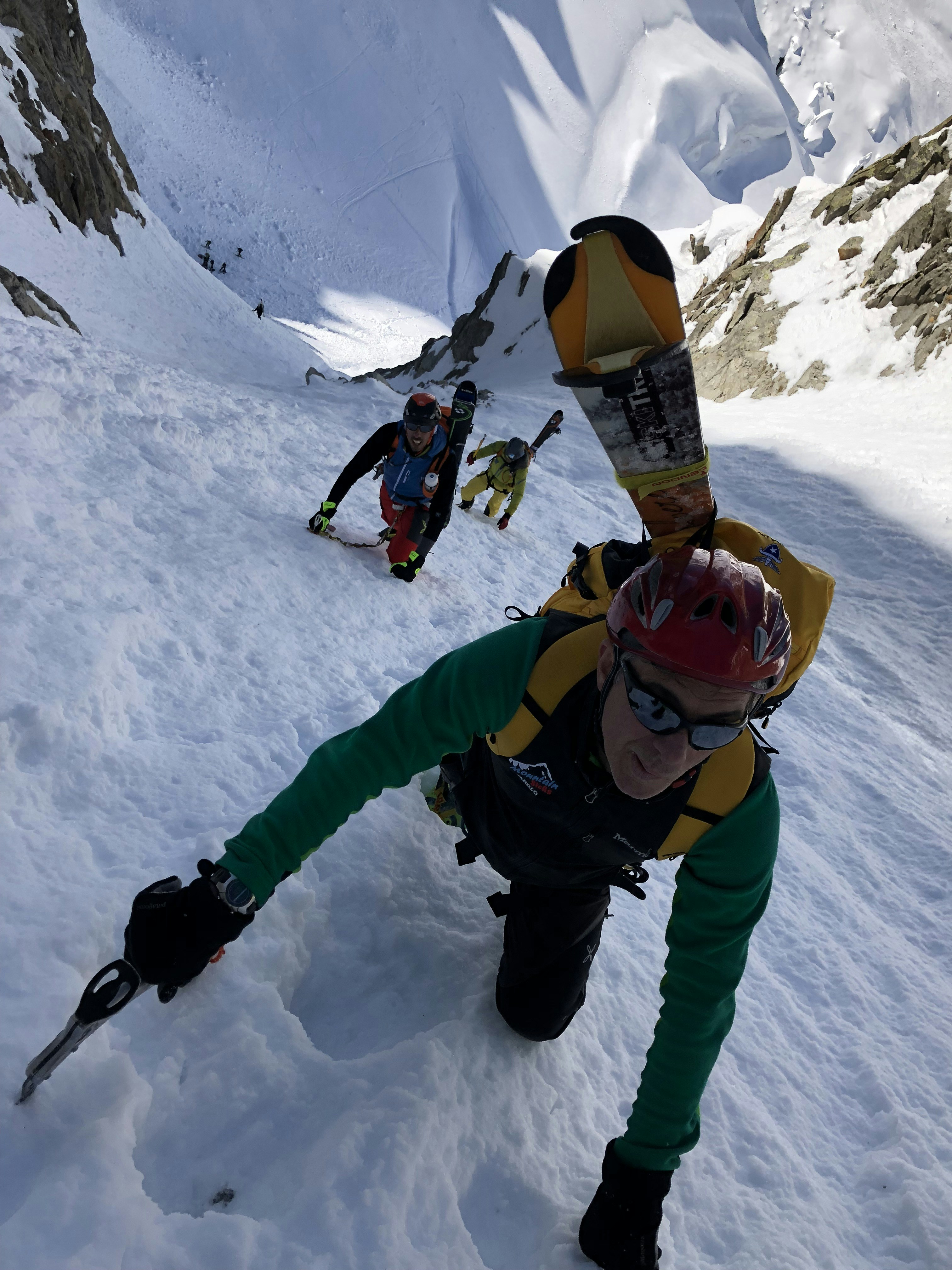
Introduction to the Incident
The catastrophic avalanche that struck Nepal on November 3, 2025, has sent shockwaves through the mountaineering community and beyond. This tragic event unfolded on one of the region’s revered peaks, which has long attracted climbers from around the world, drawn not only by its challenging ascent but also by the breathtaking Himalayan vistas. On that fateful day, a group of climbers, accompanied by experienced guides, commenced their expedition, blissfully unaware of the peril that lay ahead.
<p.as a="" adventurers="" adverse="" alike,="" and="" as="" avalanche,="" avalanches="" beneath="" both="" broke="" burying="" climbers="" climbing.
The immediate impact on the climbers and guides involved was harrowing. Rescuers worked tirelessly under treacherous conditions to locate those trapped beneath the snow. Search efforts were complicated by the unstable environment, transforming what should have been a dream expedition into a nightmare. The news quickly spread, prompting an outpouring of grief and disbelief, as families and friends grappled with the reality of losing their loved ones in such a sudden and tragic manner. This incident serves as a stark reminder of the unpredictable forces of nature and the inherent risks associated with climbing in the Himalayas, where even experienced mountaineers must remain vigilant in the face of ever-changing conditions.
The Climbers and Guides Involved
The recent avalanche in Nepal has brought to light the tragic loss of seven climbers, including both foreign nationals and experienced Nepali guides. Each individual had their own unique background and motivation for undertaking the perilous journey to the summit. Among the foreign climbers, one notable group hailed from the United States and was known for their adventurous spirit. They were participating in an expedition to conquer a challenging peak in the Himalayas, a dream for many mountaineers seeking the thrill of high-altitude climbing.
The Nepali guides involved were seasoned professionals, possessing a wealth of experience in navigating the treacherous terrain of the Himalayas. Typically, these guides have spent years honing their skills in adverse conditions, balancing the risks associated with climbing and offering invaluable support to foreign climbers. They were not only essential for ensuring safety but also played a crucial role in sharing their knowledge of the environment and weather patterns that can change remarkably fast on the mountains.
This group of climbers and guides exemplified the mix of ambition, risk, and passion that characterize many expeditions in the region. Unfortunately, their journey took a tragic turn when the avalanche struck, a stark reminder of the unpredictable nature of mountain climbing. The combination of foreign climbers seeking exhilarating experiences and local experts guiding them reflects a growing trend in adventure tourism in Nepal. Nevertheless, this disaster underscores the inherent dangers faced by those who dare to explore some of the world’s most formidable peaks, where even well-prepared individuals are vulnerable to the whims of nature.
As the climbing community mourns the loss of these brave individuals, it also serves as an urgent call for increased safety measures and risk awareness in high-altitude expeditions, where tragedies such as this avalanche can occur without warning.
Details of the Avalanche
The recent avalanche in the Himalayas, which tragically claimed the lives of seven climbers, can be attributed to a confluence of factors ranging from weather conditions to slope stability. During the period leading up to the avalanche, the region experienced significant snowfall, which is known to increase the likelihood of such events occurring. Heavy precipitation can create layers of snow that vary in density and cohesion, making the overall stability of the slope highly precarious.
In addition to the recent weather patterns, the time of year played a crucial role in the avalanche’s occurrence. November is characterized by rapidly changing weather conditions in the Himalayan region. Climbers often face a mixed bag of calm weather followed by sudden storms that can deposit excessive snow in a short amount of time. Such conditions may lead to weaker bonds between the layers of snow, triggering destabilization. The climbers, likely unaware of these increasingly hazardous conditions, were at a heightened risk.
Furthermore, the steepness of the slopes in the area significantly contributed to the avalanche’s severity. Steep terrain is more susceptible to avalanches as gravitational forces act upon the snow cover. When the weight of new snow exceeds the snowpack’s ability to hold it, the chances of a catastrophic failure increase. This interrelation between weather patterns, slope characteristics, and seasonal changes collectively outlines the inherent risks associated with climbing in the Himalayas.
Understanding these facets is essential for climbers and mountaineers. Awareness of weather forecasts, monitoring snowpack stability, and heeding warnings about potential avalanches can help mitigate risks in such volatile environments. Knowing how easily an avalanche can occur is crucial in promoting safety during mountain expeditions.
Rescue Operations and Response
The avalanche that occurred recently in Nepal has prompted immediate and widespread rescue operations led by local authorities, mountain rescue teams, and fellow climbers. As reports emerged regarding the incident, which tragically claimed seven lives, coordination efforts began early on to locate survivors amidst the dangerous and unpredictable terrain of the Himalayas. Rescue teams faced numerous challenges, including adverse weather conditions characterized by heavy snowfall and winds that made access to the affected area perilous.
As responders arrived at the avalanche site, they quickly established communication with survivors and initiated search operations. These efforts were heavily reliant on both trained search and rescue personnel and technology, including thermal imaging devices and drones, which aided in scanning the vast and inhospitable landscape. Moreover, fellow climbers at nearby camps played a crucial role in assisting these rescue missions, some selflessly putting their safety at risk to help locate their missing peers.
The emotional toll on rescuers and family members of the victims cannot be underestimated. Many of those involved in the rescue operations were confronted not only with the physical difficulties posed by the harsh weather and rugged terrain but also with distressing scenes and the reality of potential loss. The psychological impact of witnessing such tragedy weighs heavily on the mental well-being of both rescuers and victims’ families, emphasizing the human element of disaster response.
Despite the challenging circumstances, the unity displayed among local mountaineers, authorities, and rescue teams highlights the resilience and camaraderie found in such perilous situations. This collective effort underscores the importance of prompt and organized response mechanisms in the face of natural disasters such as avalanches. Moving forward, it is crucial to analyze the factors that led to this incident and improve safety protocols to mitigate risks for future climbers and support efficient rescue operations.
The Impact on the Climbing Community
The recent avalanche in Nepal, which tragically claimed the lives of seven climbers, has sent ripples throughout the global climbing community. This incident not only highlights the inherent dangers associated with Himalayan expeditions but also raises critical questions regarding safety protocols and regulatory oversight in high-altitude climbs. The perception of safety in such perilous environments is often taken for granted, but tragic events like this avalanche serve as stark reminders of the risks involved.
In the immediate aftermath, climbers, both seasoned and novices, may exhibit heightened apprehension when considering future ascents in the Himalayas. The psychological impact of witnessing or hearing about such tragedies can deter individuals from pursuing climbing as a passion or profession. Furthermore, it could lead to a decline in participation in organized expeditions, affecting local economies dependent on tourism and mountaineering activities.
This avalanche, specific in its deadly consequences, is likely to provoke discussions within the climbing community about the necessity for stricter regulations. Many experts advocate for enhanced safety measures, such as mandatory avalanche training, improved forecasting systems, and the utilization of advanced technological tools to monitor conditions in real time. It is essential for both organizations and climbers to reassess their risk management strategies to ensure the safety of all participants.
Moreover, this tragedy may catalyze changes in policies governing permits and guidelines for mountaineering in Nepal and beyond. Governments and regulatory bodies may need to take a more proactive approach in establishing safety standards and conducting comprehensive risk assessments before granting access to climbing routes. The snow-laden slopes of the Himalayas may continue to be attractive for adventurers, but the recent avalanche serves as a critical reminder for all to prioritize safety and preparation in the face of nature’s unpredictable forces.
Memorials and Tributes
In the wake of the devastating avalanche in Nepal, which tragically claimed the lives of seven individuals, the climbing community and the victims’ families have come together in heartfelt remembrance. The profound grief experienced by those affected has sparked an outpouring of support and solidarity, leading to numerous memorials and tributes dedicated to celebrating the lives of the deceased. These gatherings serve as an essential space for expressing sorrow and honoring the memories of those who lost their lives on the perilous slopes.
Friends and family members have organized various services and memorial events at local churches and community centers, allowing attendees to share their fondest memories and reflect on the lives that were tragically cut short. It is at these gatherings that stories of courage, adventure, and camaraderie emerge, showcasing how the victims touched the lives of those around them during their time on Earth. Messages of love and support have also spread through social media platforms, creating a digital tapestry of remembrance that unites even those who may not have known the victims personally.
Prominent figures within the climbing community have also stepped forward, highlighting the importance of safety and the inherent risks associated with high-altitude climbing. They have initiated discussions on how to improve preventive measures in the wake of this tragedy, ensuring that such an event is less likely to occur in the future. Additionally, memorial funds are being established to provide financial support to the families affected by the loss. These initiatives underscore the community’s commitment to honoring those who perished in the avalanche.
In conclusion, the collective efforts to remember, celebrate, and support are vital as the climbing community navigates this challenging time. The avalanche tragedy reveals the resilience of human spirit, reminding us that while nature poses significant threats, the bonds forged through shared experiences remain unbreakable.
Safety and Risk Management in Climbing
Climbing, particularly in treacherous environments such as the Himalayas, necessitates comprehensive safety protocols and effective risk management strategies. Given the unpredictable nature of mountainous terrain, climbers and their guides must prioritize safety to mitigate potential hazards, including avalanches, which have claimed lives in the past, as seen in the recent tragedy in Nepal.
One of the fundamental principles of safety in climbing is thorough preparation. Climbers should conduct meticulous research on their chosen route, understanding the historical weather patterns and the terrain’s characteristics. Additionally, it is essential to possess a detailed awareness of avalanche risks, especially in areas known for such occurrences, like those in the Himalayas. Utilizing tools such as avalanche transceivers and probes can significantly increase the chances of survival and rescue in case of an avalanche, as they allow teams to locate buried climbers rapidly.
Teamwork is another crucial component of effective risk management in climbing expeditions. Collaborating closely, climbers can monitor each other’s physical and mental states, making it easier to recognize signs of fatigue or stress that could lead to poor decision-making. Furthermore, regular communication within the group ensures everyone is aware of changing conditions and can adjust their plans accordingly. This communal approach fosters an environment where safety is prioritized over individual ambition, ultimately minimizing risks associated with high-altitude climbing.
Moreover, the integration of technology into climbing practices can enhance safety measures significantly. Utilizing GPS devices and weather forecasting applications helps climbers stay informed about real-time conditions, enabling them to adjust their ascent strategies proactively. By remaining vigilant and adhering to established safety protocols, climbers can navigate the challenges of the peaks while minimizing the inherent risks involved in such daring adventures.
Native Perspectives on Climbing in Nepal
The climbing community in Nepal holds profound respect for the mountains, which are not only seen as majestic natural formations but also as sacred entities. Local climbers and guides often express a strong connection to their environment, viewing the Himalayas as both a challenge and a revered guardian. They understand that the peaks they scale are steeped in cultural significance and spiritual importance, a sentiment that is sometimes overlooked by international climbers who may prioritize conquest over reverence.
Many local climbers have extensive training and experiences that stem from rigorous practices passed down through generations. They possess an intuitive knowledge of the terrain and weather patterns, which is often more comprehensive than the theoretical knowledge that many foreign climbers may bring. Respecting nature’s unpredictability is paramount; this is particularly evident in the wake of tragedies such as the recent avalanche that claimed seven lives in Nepal, emphasizing the crucial need for awareness and preparation in mountainous environments.
Guides play a vital role in climbing expeditions, serving as navigators and guardians. Their intimate understanding of the Himalayas allows them to make informed decisions, often prioritizing safety above personal ambitions. The respect guides earn from their peers and clients is a testament to their invaluable contributions to the climbing culture in Nepal. Many emphasize teamwork and collaboration with international climbers, aiming to foster an environment where both experienced locals and passionate visitors can share in their mutual love for the mountains, while also advocating for preservation and safety in climbing practices.
In summary, the perspectives of Nepali climbers resonate with a profound respect for the mountains. Their insights and experiences offer invaluable lessons on the significance of ecological harmony, safety, and the intricate relationship between humanity and nature in the pursuit of climbing in such awe-inspiring terrains.
Conclusion and Call to Action
The recent avalanche in the Himalayas serves as a stark reminder of the inherent dangers faced by climbers and trekkers in these majestic but unpredictable mountains. The tragic loss of seven lives highlights not only the perils of climbing but also the vital need for rigorous safety protocols and preparedness among those who dare to scale such heights. This incident has stirred discussions within the climbing community, urging a collective reassessment of safety measures that can be implemented to prevent such tragedies in the future.
In light of this devastating event, it is crucial for climbers, guides, and expedition organizers to prioritize safety above all. Proper training, awareness of weather conditions, and the use of appropriate equipment are fundamental components in ensuring the well-being of all individuals involved in mountain adventures. Furthermore, establishing clearer communication channels between teams and enhancing responsiveness to changing conditions can significantly reduce risks associated with climbing in hazardous environments.
<pthis a="" adversity.="" affected="" also="" and="" another="" assistance,="" both="" build="" by="" calls="" can="" climbers="" climbing="" community="" consider="" could="" creating="" culture="" effort="" efforts="" emotional="" events="" experienced="" face="" families="" families.
As we reflect on this calamity, let us advocate for a collective commitment to better safety practices, facilitating open dialogues on risk management, and ensuring that the memory of those we have lost encourages a safer future for the climbing community. The mountains will always have their allure, but we must not forget the importance of prioritizing safety and supporting one another as we navigate the risks that come with such adventures.