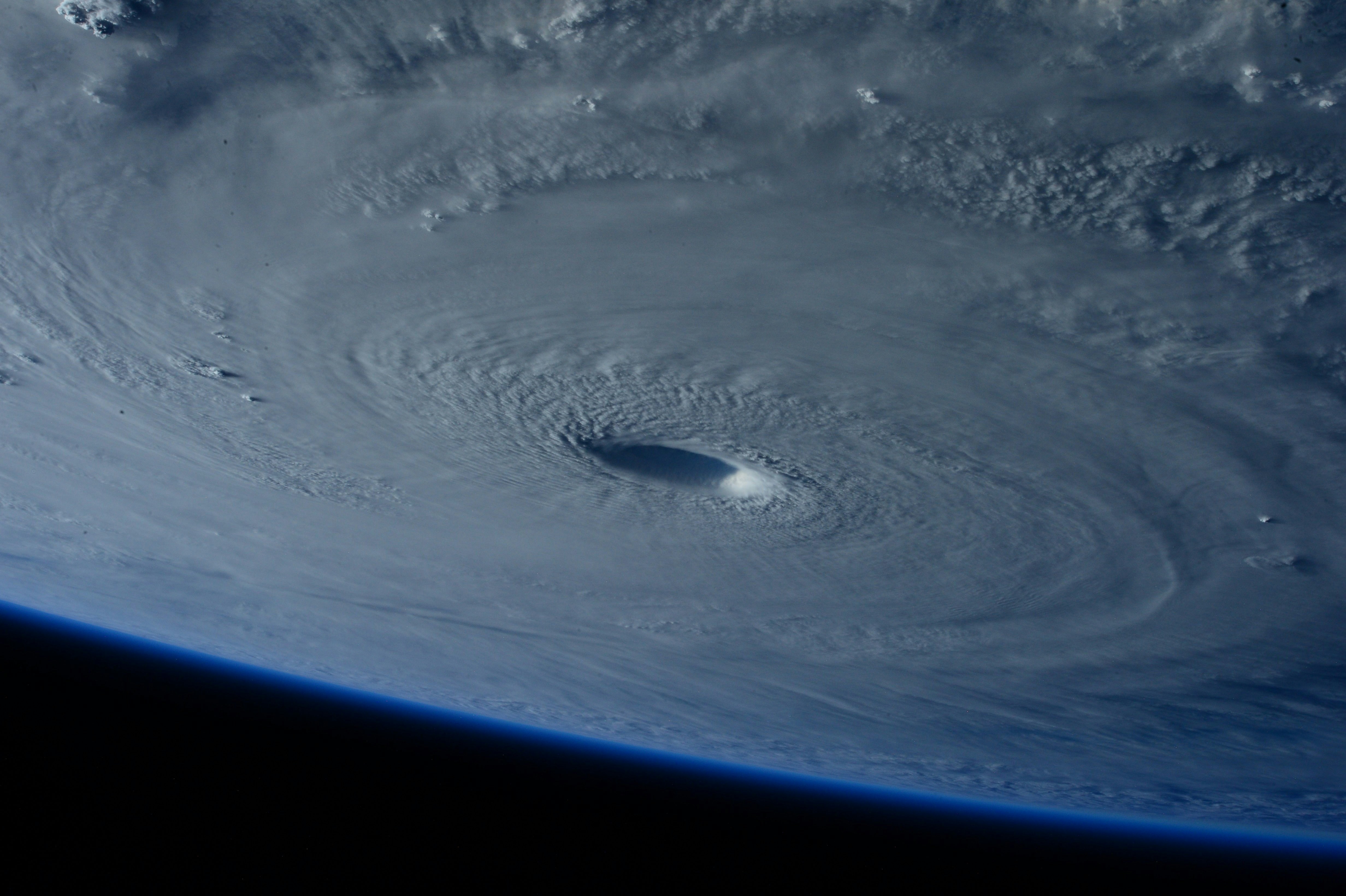
Introduction to Hurricane Melissa
Hurricane Melissa emerged as a significant weather event in the tropical Atlantic, captivating the attention of meteorologists and the general public alike. Formed in late October 2025, Melissa transitioned from a tropical depression to a hurricane within a remarkably short period, driven by a combination of favorable atmospheric conditions and warm ocean waters. The genesis of this storm can be traced back to a cluster of thunderstorms that intensified over the Caribbean Sea, leveraging the energy provided by the warm waters of the ocean.
As Hurricane Melissa developed, it quickly garnered strength, morphing into a powerful hurricane shortly after it formed. Its trajectory was significant, initially moving across the tropical Atlantic before veering towards the northeastern coast of the United States. The initial phase of this hurricane was characterized by continually warming ocean temperatures, which played a pivotal role in its rapid intensification. Studies have indicated that ocean warming can enhance the intensity of tropical storms, leading to more severe weather patterns and increased hurricane activity.
<pmeteorological a="" allowed="" also="" an="" and="" area="" as="" atmospheric="" between="" broader="" change.="" climate="" climate.
Weather Conditions Favoring Intensification
The phenomenon of Hurricane Melissa developing into a supercharged storm can be largely attributed to a confluence of favorable weather conditions. Foremost among these is the presence of unusually warm sea surface temperatures. As the ocean absorbs solar energy, regions with elevated temperatures become breeding grounds for large storms. In the case of Hurricane Melissa, these elevated temperatures provided ample heat energy crucial for storm development and intensification. The thermodynamic stability of the ocean played a vital role in propelling Melissa into a formidable hurricane.
Another significant factor contributing to the rapid intensification of Hurricane Melissa is low wind shear in the atmosphere. Wind shear refers to the change in wind speed and direction with altitude. When wind shear is low, it creates a conducive environment for storms to organize and strengthen without being disrupted. In contrast, high wind shear can displace storm structure, inhibiting growth. For Hurricane Melissa, the atmospheric dynamics favored sustained vertical development, allowing the storm to gather intensity efficiently as it traversed the warm waters.
Moisture availability in the atmosphere is also crucial for storm strengthening. A moist atmosphere fosters cloud formation and enhances energy release during condensation, which can lead to a more robust hurricane. Specific weather patterns preceding Melissa likely contributed to an influx of moisture, creating a humid environment ripe for the storm’s intensification. The interaction between warm ocean waters, low wind shear, and abundant moisture culminated in a perfect storm scenario, leading to the rapid transformation of Melissa into a supercharged hurricane. As researchers analyze these meteorological elements, understanding the complex interplay can yield insights not just for this event but also for future storms influenced by similar conditions.
The Role of Climate Change
Climate change has become a pressing concern, particularly in the context of extreme weather events such as hurricanes. The recent formation of Hurricane Melissa serves as an illustrative example of how rising ocean temperatures can significantly affect hurricane intensity. When sea surface temperatures increase, as they have been due to climate change, this can lead to a corresponding rise in the energy available for storm systems. Notably, warmer waters can catalyze the development and intensification of hurricanes, making them more potent and destructive.
According to numerous studies, including those highlighted by CNN, there exists a strong correlation between increasing ocean temperatures and the escalating frequency and intensity of hurricanes. For instance, hurricanes like Melissa can draw from thermally enhanced seas that reach temperatures conducive to rapid development. The National Oceanic and Atmospheric Administration (NOAA) has indicated that the average ocean temperature in recent years has surpassed historical records, providing ideal conditions for hurricanes to flourish. Experts forecast that this trend may continue, potentially leading to an increase in the frequency of high-intensity storms.
In addition to elevated ocean temperatures, the effects of climate change extend to atmospheric conditions as well. Warmer air can hold more moisture, which may translate into heavier rainfall during storms, exacerbating their destructive potential. Furthermore, the changing climate patterns can alter wind patterns that influence the paths of hurricanes, leading to unpredictable and sometimes more hazardous trajectories. As illustrated by Hurricane Melissa’s development, the intricate interactions between oceanic and atmospheric elements suggest that climate change is a catalyst in not only the evolution of the storms but also their potential for disaster.
In conclusion, the evidence linking climate change to the intensified nature of hurricanes is compelling. As global temperatures continue to rise, it is likely that storms like Hurricane Melissa will become an increasingly common occurrence, prompting urgent discussions on mitigation strategies and the need for adaptive measures in vulnerable regions.
Meteorological Phenomena Associated with Hurricane Melissa
The formation and trajectory of Hurricane Melissa can be attributed to a series of complex meteorological phenomena, predominantly influenced by the presence of the Bermuda High. This significant atmospheric pressure system is characterized by a subtropical ridge that exerts considerable control over the movement of tropical cyclones. During the hurricane season, the Bermuda High becomes an integral player, often steering storms towards the West or Northwest, thus dictating their path and intensity. In the case of Hurricane Melissa, the Bermuda High’s position and strength were pivotal in guiding the storm towards more favorable warm waters, essential for its intensification.
In addition to the Bermuda High, the interactions with other atmospheric systems played a crucial role. For instance, the presence of low-pressure areas in the vicinity provided necessary ambient conditions for Melissa to leverage warmer sea surface temperatures. This interaction not only contributed to the hurricane’s rapid intensification but also fostered the development of more potent wind patterns, resulting in the storm gaining its supercharged characteristics. The surrounding environmental conditions, including a relatively low vertical wind shear, aided in sustaining Melissa’s powerful structure over an extended period.
Furthermore, the phenomenon of ocean warming has emerged as a significant factor affecting hurricane dynamics. Warmer ocean waters act as a breeding ground for increased storm energy, amplifying the intensity of hurricanes such as Melissa. Research indicates that the changing climate contributes to the occurrence of more severe tropical cyclones. Understanding these meteorological phenomena is paramount as they not only elucidate the conditions that shaped Hurricane Melissa but also emphasize the importance of ongoing studies in climate impacts on storm behavior.
Historical Context of Supercharged Hurricanes
Hurricanes have long been a subject of fascination and study due to their destructive nature and the factors contributing to their formation and intensification. Historical examples reveal that while rapid intensification can occur in many storms, certain hurricanes have taken this phenomenon to unprecedented levels, much like Hurricane Melissa. One notable instance is Hurricane Patricia in 2015, which became the most powerful hurricane on record in the eastern Pacific, showcasing how ocean temperatures can fuel such rapid escalation. Patricia’s transformation from a tropical storm to a Category 5 hurricane in merely 24 hours parallels the swift change observed in Hurricane Melissa, emphasizing a concerning trend in hurricane behavior.
Another example is Hurricane Irma in 2017, which underwent significant rapid intensification in a short time frame. As the storm approached the Caribbean, warm tropical waters and favorable atmospheric conditions propelled it to a Category 5 status within days. Similarly, Hurricane Melissa’s behavior seems to underline the escalating intensity of tropical systems due to climatic changes, particularly ocean warming. This shared trait among these storms points to a trend that climate scientists are increasingly scrutinizing.
The case of Hurricane Harvey in 2017 highlights another dimension of this discussion; although it may not have rapidly intensified like Melissa, its record rainfall and catastrophic flooding demonstrate the increasing unpredictability and severity that can accompany hurricanes in this era of climate change. Studies illustrate a correlation between warmer ocean temperatures and the frequency of such extreme weather events, leading to a greater understanding of the conditions conducive to hurricanes like Melissa becoming supercharged monsters.
In conclusion, the historical context underscores the significance of Hurricane Melissa within the evolution of hurricane intensity patterns, drawing attention to a pressing need for continued research and awareness surrounding the interplay of ocean temperatures and storm activity.
Impacts of Hurricane Melissa on Affected Areas
Hurricane Melissa made landfall, bringing tumultuous winds and excessive rainfall that wreaked havoc across numerous regions. As the storm intensified, not only did it pose a direct threat to life and property, but it also resulted in significant flooding and extensive wind damage. These impacts were observed most severely in coastal areas, where storm surges mixed with precipitation led to inundation that affected homes, businesses, and critical infrastructure.
The aftermath of Hurricane Melissa was marked by widespread destruction. Many communities experienced severe flooding, with water levels rising to unprecedented heights. Residential areas were left submerged, with entire neighborhoods cut off from emergency services as flooding persisted. Structural damage was reported, including torn roofs, collapsed buildings, and uprooted trees which created hazardous conditions for residents and rescuers alike. Tragically, there were casualties, underscoring the harsh realities hurricanes pose to the most vulnerable in affected regions.
The response to Hurricane Melissa required urgent action from local, state, and federal agencies. Emergency management practices were promptly enacted, prioritizing the safety and welfare of affected populations. Evacuations were ordered in high-risk areas, and shelters were established to provide refuge for those displaced by the storm. Restoration efforts initiated by emergency crews included clearing debris, restoring power, and delivering essential supplies to impacted communities. The coordination of these efforts is crucial in the wake of such disasters, as the repercussions of events like Hurricane Melissa often hinder recovery for extended periods.
In light of the challenges faced during and after Hurricane Melissa, it becomes clear that climate change may intensify these weather phenomena. Increased ocean temperatures contribute to the formation and intensification of hurricanes, leading to devastating impacts on affected areas. Understanding the link between ocean warming and storm severity will be essential in shaping future preparedness and response strategies.
Lessons Learned from Hurricane Melissa
The intensity and destructive capabilities of Hurricane Melissa have highlighted several crucial lessons for meteorologists, emergency planners, and communities at large. One primary lesson concerns the advancements in meteorological technology. The ability to gather and analyze data from various sources, such as satellites and ocean buoys, has significantly improved our understanding of storm development and behavior. Hurricane Melissa underscored the need for continuous investment in these technologies to enhance prediction accuracy and provide timely warnings to affected populations.
Moreover, the importance of timely forecasts cannot be overstated. As Hurricane Melissa approached land, early warning systems played a pivotal role in disseminating information. Communities that had access to accurate and timely forecasts were better prepared for the storm, enabling them to undertake necessary precautions, thereby mitigating potential damages. This emphasizes the need for local authorities to have robust communication strategies that can effectively relay vital information to the public during severe weather events.
As for community preparedness, Hurricane Melissa taught us that proactive measures are paramount. Communities must engage in comprehensive planning and drills, ensuring that residents are aware of evacuation routes and shelters. Collaboration between government agencies, nonprofits, and the private sector can facilitate resource sharing and volunteer mobilization in times of crisis. Additionally, public education about hurricane safety protocols can greatly enhance the response efforts during future storms. Preparing for climate-related events, like hurricanes fueled by ocean warming, not only aids immediate response but also contributes to long-term resilience against climate change’s impacts.
In conclusion, the lessons learned from Hurricane Melissa are essential for enhancing future preparedness and response efforts. By advancing technology, improving forecasting, and fostering community awareness, we can better equip ourselves to face similar storms in the future, particularly in a climate that increasingly supports more intense hurricanes.
The Future of Hurricane Monitoring and Preparedness
With the increasing intensity of hurricanes such as Hurricane Melissa, the future of hurricane monitoring and preparedness has become a pressing concern for researchers, meteorologists, and affected communities alike. Technological advancements are pivotal in reshaping how we predict and respond to such formidable weather phenomena. Enhanced satellite imagery and improved modeling techniques have started to show promise in providing more accurate forecasts of hurricane paths and intensities well ahead of their landfall.
One key area of development is the integration of artificial intelligence in analyzing vast amounts of meteorological data. By harnessing machine learning algorithms, meteorologists can identify patterns that may have previously gone unnoticed. This not only enhances prediction accuracy but also reduces the time frame needed to issue warnings. Moreover, as we observe climate change’s impact on ocean temperatures, understanding how these factors contribute to hurricane formation and intensification becomes essential in future forecast models.
In addition to technological innovations, community preparedness plays a crucial role in mitigating the impacts of hurricanes. Local governments should focus on public awareness campaigns to educate citizens about evacuation routes, emergency supplies, and response protocols. Furthermore, adaptive infrastructure is crucial in safeguarding communities vulnerable to hurricane threats. Building codes that require structures to withstand higher wind speeds and flooding can significantly reduce destruction caused by storms like Melissa.
Additionally, integrating community input into disaster planning can enhance resilience. Involving local residents in discussions about hurricane preparedness ensures that specific community needs are addressed. Ultimately, the future of hurricane monitoring and preparedness hinges on a combination of advanced technology, community engagement, and adaptive planning strategies to better equip society in facing the challenges posed by increasingly robust hurricanes exacerbated by climate change.
Conclusion: A Call to Action
The unprecedented intensity of Hurricane Melissa serves as a pivotal case study within the realms of modern meteorology and climate science. The storm not only demonstrated the alarming effects of ocean warming but also highlighted the intricate connections between climate change and extreme weather events. As we delve into the circumstances surrounding Hurricane Melissa’s rapid escalation into a superstorm, it becomes evident that preparedness and awareness are crucial for an increasingly vulnerable global population.
As climate change continues to reshape our environment, it is imperative that communities recognize the significance of proactive measures. The rise in ocean temperatures is scientifically linked to the escalation of hurricane intensity. Therefore, understanding these dynamics is essential to mitigate potential impacts. Stakeholders, from local governments to individual citizens, must prioritize implementing disaster preparedness plans and investing in infrastructure that can withstand severe weather events.
Moreover, public education campaigns aimed at raising awareness about the signs of climate change and its effects on weather patterns can serve as a valuable tool. Fostering a culture of preparedness not only improves community resilience but also encourages individuals to take personal action. Whether it is equipping homes with emergency supplies or participating in local response training, every effort counts in safeguarding lives and property.
The lessons learned from Hurricane Melissa underscore the necessity of addressing climate change holistically. As the discourse around climate resilience progresses, it is crucial for everyone to stay informed and advocate for policies that reduce greenhouse gas emissions and promote sustainable practices. By confronting these challenges collectively, we can better equip ourselves for the storms of the future and work towards a more sustainable planet.