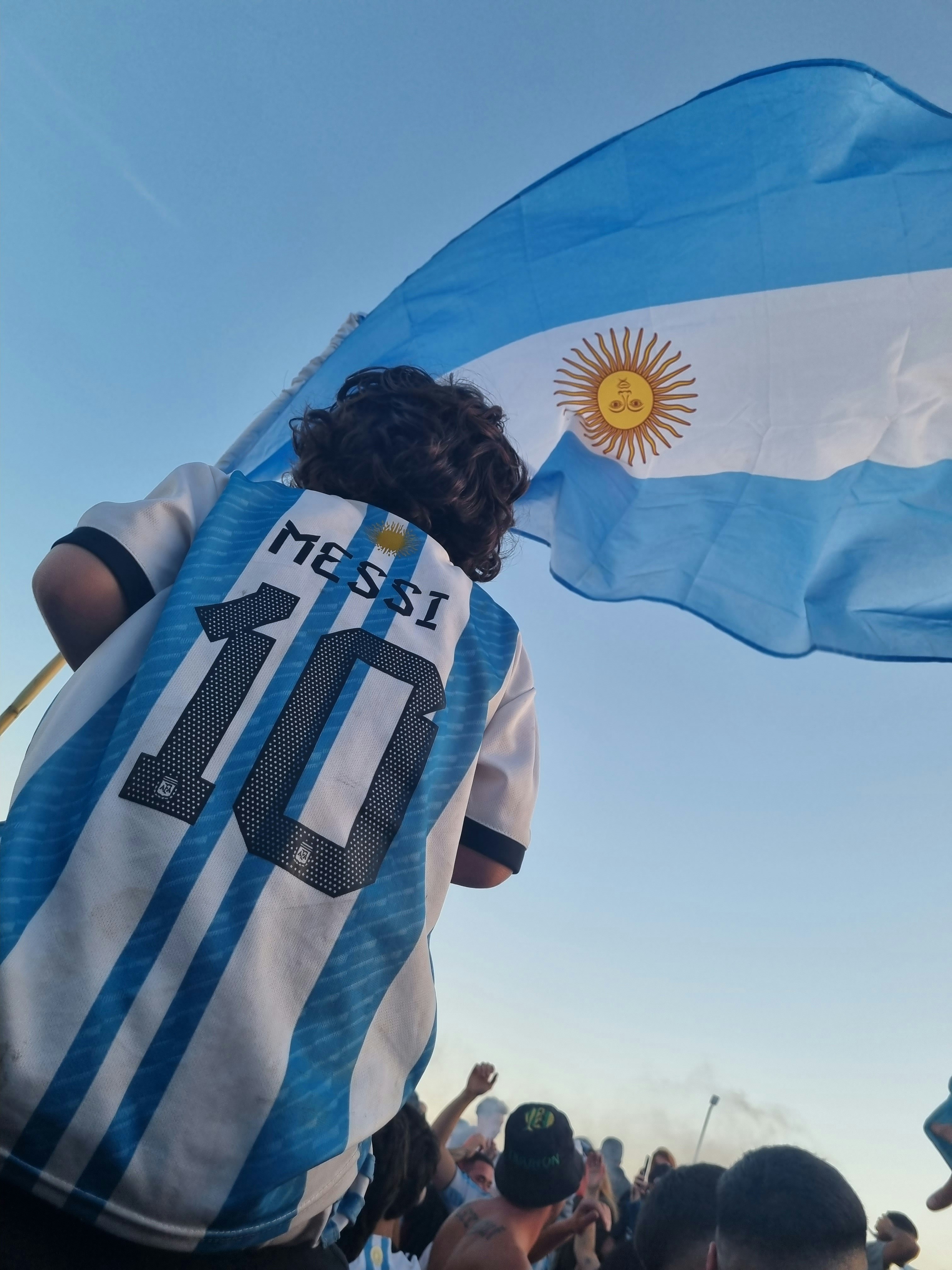
Introduction: The Legend Continues
Lionel Messi, a name synonymous with football excellence, has carved an indelible mark on the sport throughout his illustrious career. He emerged as a prodigious talent from Rosario, Argentina, moving on to dominate club football with FC Barcelona, where he secured numerous accolades, including multiple Ballon d’Or awards. Messi’s miraculous dribbling skills, visionary playmaking, and striking precision have not only earned him the distinction of being one of the greatest players in history but also a cherished position in the hearts of millions of football enthusiasts worldwide.
Despite facing various challenges, his ability to rise above adversity has been evident in his performances on the grandest stages, particularly during the FIFA World Cup tournaments. Messi participated in four World Cups, each showcasing his extraordinary talent and determination. Although he initially faced disappointment, most notably in the 2014 final against Germany, where Argentina fell short, his contributions have been pivotal in revitalizing the national team’s competitive spirit.
In 2021, Messi achieved the pinnacle of international success by leading Argentina to victory in the Copa America, a triumph that further solidified his legendary status. As discussions begin around the 2026 FIFA World Cup—scheduled to take place in the United States, Canada, and Mexico—there is growing anticipation surrounding Messi’s potential participation. If he maintains his health and continues to perform at a high level, his ambition to compete in this tournament could be realized, adding another remarkable chapter to his storied legacy. The football community eagerly awaits the possibility of witnessing Messi grace the pitch once again on the world stage, representing not just his country but the spirit of the sport itself.
Messi’s Journey in World Cups: A Retrospective
Lionel Messi’s journey in the FIFA World Cups is a captivating story that reflects his evolution as a player and a leader. His first appearance in the tournament came in 2006 when he was just 18 years old. During this World Cup, held in Germany, Messi showcased his prodigious talent by scoring a memorable goal against Serbia and Montenegro. His youthful exuberance and skill on the ball introduced him to the global stage, marking the beginning of his storied World Cup legacy.
In the 2010 World Cup, held in South Africa, Messi faced a challenging tournament as Argentina fell to Germany in the quarter-finals. However, his performance was nonetheless impressive, demonstrating his ability to create scoring opportunities, albeit without finding the net himself. The disappointment of this early exit motivated him further for the subsequent tournaments.
The 2014 World Cup in Brazil presented Messi with an opportunity to shine brightly. He delivered some of the finest performances of his career, scoring four goals in the group stage and contributing crucial assists. His leadership was instrumental in guiding Argentina to the final, where they narrowly lost to Germany. Messi’s brilliance was recognized when he was awarded the Golden Ball for the tournament’s best player, a testament to his influence and skill on the world stage.
Fast forward to the 2018 World Cup in Russia, where Argentina faced another challenging campaign. Despite high expectations, the team was eliminated in the round of 16 by eventual champions France. Nevertheless, Messi’s determination remained unshaken. The culmination of his World Cup experiences has not only shaped him as a player but has also set the stage for his ambitions as he aims for the 2026 FIFA World Cup, where he hopes to capture the ultimate prize on the international football stage.
Health and Fitness: The Key to Participation
Lionel Messi’s journey towards participating in the 2026 FIFA World Cup is significantly anchored in his health and fitness regime. As an athlete who has pushed the boundaries of excellence, Messi’s focus on maintaining top physical condition is paramount, especially as he ages. Over recent years, he has faced various injuries that have posed challenges to his performance on the field. These injuries, including muscle strains and joint issues, highlight the unpredictable nature of an athlete’s career and the importance of effective recovery strategies.
To overcome these health obstacles, Messi has meticulously crafted a comprehensive fitness plan that prioritizes rehabilitation and preventive exercises. His commitment to recovery often involves specialized therapies, physiotherapy sessions, and a tailored training schedule that adapts to his body’s needs. This not only allows him to recuperate effectively from past injuries but also strengthens susceptible areas to prevent future issues. Moreover, with age, the need for a focused approach to fitness becomes even more critical. As he prepares for the 2026 World Cup, Messi embraces a nutrition plan aligned with his rigorous training to sustain his energy levels and enhance his overall performance.
Messi has incorporated flexibility and strength training into his routine, enabling him to maintain agility even as he enters the later stages of his career. Additionally, mental fitness plays a vital role in his approach—practicing mindfulness and maintaining a positive mindset allows him to cope with the physical strains of high-level competition. The integration of these practices underscores that health and fitness are not merely components of an athlete’s preparation, but are fundamental to achieving ambitious goals such as competing in the 2026 FIFA World Cup.
Why the 2026 World Cup is Special
The 2026 FIFA World Cup represents a remarkable shift in the landscape of international football due to its expanded format, which will see an increase in participating teams from 32 to 48. This change not only allows for greater global representation but also brings new dynamics to the tournament, creating a more inclusive environment for emerging footballing nations and enhancing the overall competition level.
The tournament is particularly noteworthy as it will be co-hosted by three countries: the United States, Canada, and Mexico. This tri-nation approach is unprecedented in World Cup history and reflects a broader commitment to fostering unity through sports. Each host nation offers unique strengths, from the robust infrastructure and large fanbase in the United States to the passionate football culture in Mexico and the emerging development of the sport in Canada. This collaboration promises a spectacular showcase of football across North America.
The significance of the 2026 World Cup extends beyond its structure and hosting arrangements; it holds particular importance for players like Lionel Messi, who aim to solidify their legacies. As Messi navigates the later stages of his illustrious career, this tournament provides a golden opportunity for him to add a World Cup title to an already impressive list of achievements. The possibility of Messi playing in this unique tournament serves as a compelling narrative, particularly given the emotional weight often associated with a player’s final appearances on the international stage.
Moreover, the legacy of the 2026 World Cup is anticipated to resonate long after the final whistle has blown. For players and fans alike, it will represent a culmination of efforts to celebrate football’s global nature and the stories woven throughout its history. As the tournament approaches, the excitement continues to build, driven by anticipation of what promises to be a transformative experience for all involved.
Lionel Messi’s Role in the Team
Lionel Messi has long been regarded as one of the most pivotal figures in the Argentinian national football team. With his exceptional skill set, tactical awareness, and leadership qualities, Messi’s role transcends that of a mere forward; he serves as the linchpin around which the team’s strategies revolve. His unique ability to read the game and make split-second decisions enables him to not only score goals but also to facilitate play, creating opportunities for his teammates.
As the captain of the national side, Messi embodies the team’s spirit and represents their aspirations on the global stage. His experience and seasoned perspective become particularly crucial as Argentina approaches major tournaments, including the imminent 2026 FIFA World Cup. By contributing effectively to both attacking and defensive phases of the game, Messi’s presence impacts the overall dynamics of the team. He often assumes the role of a playmaker, orchestrating movements and linking up with other players, which enhances the fluidity of Argentina’s attacking play.
Moreover, Messi’s leadership extends beyond tactical contributions. His work ethic and commitment serve as a source of inspiration for younger players, instilling a sense of confidence and purpose within the squad. The synergy between Messi and his fellow teammates is critical; his ability to elevate the game of those around him is an invaluable asset. As Argentina gears up for the 2026 World Cup campaign, understanding Messi’s evolving role will be essential in gauging the team’s potential for success. With each match, he further cements his legacy, providing a model for teamwork and excellence that aspiring footballers can look up to.
Preparations and Strategies for 2026
As Lionel Messi sets his sights on participating in the 2026 FIFA World Cup, the preparations and strategies adopted by him and the Argentine team will be crucial. Given Messi’s extensive experience on the world stage, he is likely to play a pivotal role not only as a player but also as a leader, guiding younger teammates through the challenges of international competition.
The training regimen is expected to be particularly intense leading up to the World Cup. It is essential for the players to maintain peak physical condition, incorporating a blend of endurance training, strength building, and agility exercises. Given Messi’s history of injuries, tailored fitness programs that emphasize injury prevention and recovery will also be vital. Furthermore, implementing mental conditioning strategies can help the team manage pressure, especially as the tournament approaches.
Match strategies will be another focal point in the buildup to the World Cup. The coaching staff will undoubtedly scour match footage to analyze opponents, identifying key strengths and weaknesses. This analysis will form the basis for tactical plans designed to exploit vulnerabilities in rival teams. In addition to familiarizing themselves with well-known adversaries, Argentina will also need to scout emerging teams that could pose unexpected challenges.
Building team cohesion will be paramount as well. The dynamics of the squad will heavily influence their performance. Organizing friendly matches and training camps ahead of the World Cup can create opportunities for players to bond, fostering trust and camaraderie. Activities that go beyond just football, such as team-building exercises, can further strengthen relationships and enhance communication on the pitch.
Ultimately, Messi and the Argentine team’s thorough preparation will be pivotal in their quest to succeed at the 2026 FIFA World Cup, ensuring they are ready to compete at the highest level against global rivals.
Public and Fan Reactions
The news of Lionel Messi’s ambition to participate in the 2026 FIFA World Cup has generated a considerable buzz among football fans and the broader sporting community. The prospect of the legendary player gracing the global stage one more time has been met with mixed emotions, ranging from excitement to nostalgia. Messi, having solidified his legacy as one of the greatest footballers of all time, commands significant attention and admiration from devotees of the sport. As fans reminisce about his previous World Cup appearances and monumental performances, there is a palpable sense of hope that he will again dazzle spectators in the upcoming tournament.
Social media platforms have been inundated with reactions, showcasing an array of sentiments. Supporters express their enthusiasm through hashtags and share clips of Messi’s greatest moments, reinforcing their belief in his enduring talent and his capacity to contribute meaningfully to the Argentine national team. There is also an acknowledgment of Messi’s age, as he will be 39 during the tournament. Nevertheless, many fans argue that his unparalleled skills and experience could be pivotal for Argentina’s campaign in 2026.
Moreover, football analysts and commentators have weighed in on the phenomenon of Messi’s potential participation. Opinions vary on whether this decision would enhance Argentina’s chances of success or if it is merely a sentimental journey for the player and his loyal supporters. There is a shared consensus that Messi’s presence at the World Cup could elevate the tournament’s profile significantly, drawing in casual viewers and dedicated fans alike. The football community is eagerly anticipating a thrilling spectacle that would not only feature Messi’s extraordinary skills but would also celebrate his remarkable career before possibly bidding farewell to international tournaments.
Comparing Generational Talents
Lionel Messi’s career trajectory in football has been nothing short of phenomenal, and as we approach the 2026 FIFA World Cup, a comparative analysis with both current and emerging talents in the sport is timely and relevant. While Messi remains a central figure in discussions about football excellence, the landscape features a plethora of promising young footballers who are beginning to carve out their own places in the sport. These players, with their distinctive skills and accolades, not only pose a challenge to established stars like Messi but also reflect the evolving nature of the game.
The likes of Kylian Mbappé, Erling Haaland, and Pedri have emerged as key players in their respective teams, showcasing talents that make them standout competitors as we head towards the World Cup. Mbappé’s blistering pace and technical finesse, coupled with Haaland’s incredible goal-scoring ability, have set benchmarks for younger aspirants. On the other hand, Pedri’s vision and playmaking capabilities have marked him as a potential game-changer for Spain in the national squad. These young athletes are not only pushing the envelope within their clubs but are also representatives of a wave of football skills that can inspire future generations.
Messi’s enduring influence is evident as he continues to dominate in the twilight years of his career. His relentless pursuit of excellence acts as a motivational force for younger players. They look up to him not only for his unmatched skill set but also for his work ethic and humility on and off the pitch. The contrasting styles and approaches of these generational talents, including Messi, create a dynamic and competitive atmosphere as the football world gears up for the upcoming tournament. The intersection of experienced maestros and rising stars will undoubtedly enhance the narrative as we anticipate the excitement of the 2026 FIFA World Cup.
Conclusion: A Lasting Legacy
Lionel Messi is widely regarded as one of the greatest soccer players of all time, and his career has been marked by extraordinary achievements and records. As he sets his sights on the 2026 FIFA World Cup, the implications of his potential participation extend far beyond the field. This ambition to play in what could be his last World Cup encapsulates the essence of his enduring passion for the sport and his unwavering desire to contribute to the game he loves.
The 2026 World Cup presents Messi with an opportunity to enhance his already impressive legacy. Participating in this tournament would not only affirm his status as a soccer icon but also allow him to solidify his influence on future generations of players. Messi’s journey, characterized by his remarkable resilience and insatiable drive for success, serves as an inspiration to athletes worldwide. The iconic moments he has delivered on the pitch will forever be etched in the annals of soccer history.
Furthermore, the importance of health and physical fitness cannot be overstated as Messi approaches this pivotal chapter of his career. His commitment to maintaining peak performance levels illustrates the dedication required to compete at the highest altitude in international soccer. Should he fulfill his dream of playing in the 2026 World Cup, it would undoubtedly be a testament to his perseverance and a salute to his supporters who have stood by him through triumphs and challenges alike.
In conclusion, as Messi eyes the 2026 FIFA World Cup, the potential legacy he leaves behind becomes increasingly significant. His journey encapsulates the spirit of soccer and the notion that the game is more than just a sport; it is a profound influence that transcends borders and unites fans worldwide. Regardless of the outcome, Messi’s pursuit of this goal exemplifies his relentless passion for the beautiful game.