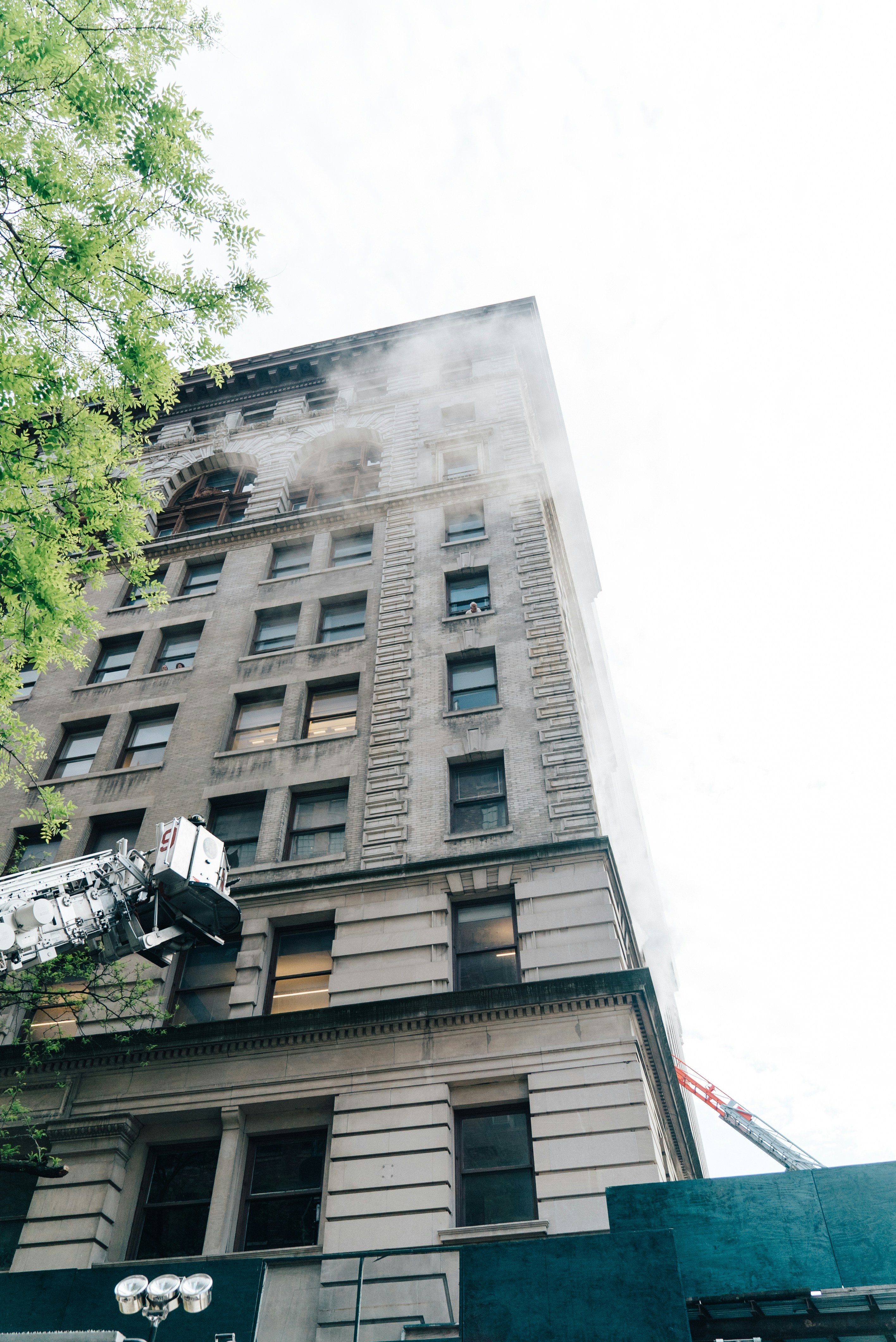
Overview of the Incident
On the fateful night of October 15, 2023, a devastating fire erupted in the Wang Fuk Court housing complex located in the bustling district of Tai Po, Hong Kong. The incident, which began in a densely populated high-rise building, quickly escalated into a catastrophic blaze that caught many residents off guard. Initial reports indicated that the fire originated on the third floor, possibly due to an electrical fault; however, the specific cause is still under investigation. Within minutes, flames and smoke began to engulf the upper floors of the building, resulting in a harrowing scene as residents scrambled for safety.
As the tragedy unfolded, emergency services received multiple calls reporting thick smoke and visible flames. Firefighters arrived promptly on the scene, but the rapid spread of the flames posed a significant challenge to containment efforts. Compounding the situation, strong winds swept through the area, driving the fire to quickly leap from one unit to another, affecting not just the initial building but also neighboring structures within the housing complex.
By the time the fire was brought under control, the damage was extensive. Reports confirmed that at least 24 lives were tragically lost, with dozens more sustained injuries ranging from smoke inhalation to severe burns. The community, already grappling with the shock of the incident, began to mourn the substantial loss of life and the disruption of families and individuals. Follow-up reports detailed that over 100 residents were evacuated as a precaution, many of whom were left without a home due to the fire’s intensity.
This incident serves as a stark reminder of the danger posed by high-rise fires, emphasizing the need for comprehensive safety measures in residential buildings. The aftermath of this tragedy will undoubtedly lead to a reevaluation of fire safety standards in Hong Kong as residents and officials come to terms with the profound loss and the urgency of enhancing community safety protocols.
Casualties and Current Death Toll
The recent high-rise fire in Hong Kong has resulted in a tragic loss of life, and as of the latest reports, the confirmed death toll stands at a staggering 146 individuals. This devastating incident not only affected those who were directly involved but also left a profound impact on their families and the broader community. The recovery process is still ongoing, and the emotions felt by families who lost loved ones are immeasurable. Beyond the deceased, there are still around 150 individuals unaccounted for, which raises considerable concern among the community, as they await further information about their whereabouts.
The situation has intensified as 79 people have sustained injuries from the fire, with various degrees of severity. Immediate medical care has been prioritized for these victims, but the long-term implications on their mental and physical health will likely resonate for years to come. The emotional trauma caused by such a catastrophic event cannot be understated. Families grappling with the loss of their loved ones and the uncertainty surrounding those who remain missing face overwhelming grief. This incident serves as a stark reminder of the fragility of life in urban environments and the potential risks associated with high-rise living.
As authorities continue their investigation into the cause of the fire, it becomes crucial to ensure that the affected families receive the necessary support and resources. Various organizations within Hong Kong are mobilizing to provide assistance, counseling, and aid to those most impacted. Communities are rallying together, showcasing solidarity in the wake of heartache. It is essential that the voices of the affected families are heard, and efforts to offer relief are sustained, helping both individuals and the community as they navigate this tragedy.
The Response from Authorities
The high-rise fire tragedy in Hong Kong has prompted swift action from local authorities, reflecting their commitment to managing such emergencies. In the immediate aftermath, the police issued statements underscoring the ongoing search for individuals who are still unaccounted for, highlighting both the scale of the disaster and the urgency of their efforts. Officials have expressed deep concerns regarding the possibility of further fatalities, creating a somber backdrop to the ongoing search operations.
Local law enforcement and emergency services have been coordinating their responses meticulously. As the recovery teams sift through the remnants of the blaze, authorities remain vigilant about the potential for uncovering more victims. The police have emphasized the importance of thoroughness in their investigative work, recognizing that each lost individual represents a family and community in mourning. Their commitment extends not just to a search for the missing but to a broader strategy aimed at effectively managing the crisis as it unfolds.
In addition to the search efforts, the Hong Kong government is working to provide crucial support to the families of the victims. This includes establishing helplines and offering psychological assistance, recognizing that the emotional toll of such disasters can be just as significant as the physical repercussions. The remarks from various officials convey a unified message of support for affected families, ensuring that they receive the necessary resources during this challenging time.
Emergency response protocols in Hong Kong have also come under review following this incident, with discussions around enhancing future preparedness. By analyzing the actions taken during this high-rise fire, authorities aim to refine their strategies, ensuring that any lessons learned will bolster their response capabilities in the face of future disasters. The goal remains clear: protecting lives and ensuring that the community feels supported in the wake of tragedy.
Causes of the Fire: Investigative Insights
The tragic high-rise fire in Hong Kong has raised significant concerns regarding fire safety protocols, particularly the materials used in construction. Initial investigations into the incident have highlighted accusations that flammable construction materials may have played a pivotal role in the rapid spread of the flames. Reports suggest that some of the building’s exterior cladding and insulation may not have met standard fire safety regulations. The choice of materials has emerged as a focal point in inquiries, with investigators meticulously examining their composition and adherence to safety codes.
Experts in fire safety are weighing in on the implications of these findings. Many have pointed to the importance of stringent regulations surrounding flammable materials, especially in high-rise buildings, where the risk of fire spreads far more rapidly. The Hong Kong Fire Services Department has been called upon to review existing fire safety legislation and evaluate any potential lapses in enforcement. There is growing concern that without updated guidelines, similar tragedies could occur in the future.
The presence of alleged flammable materials has not only brought scrutiny upon construction practices but has spurred a public outcry for accountability among developers, building inspectors, and regulatory bodies. As investigations continue, fire safety experts emphasize the need for a comprehensive assessment of current legislation surrounding construction materials to prevent future disasters. In light of recent events, these professionals argue for a proactive approach to fire safety standards, highlighting the necessity of utilizing non-combustible materials in high-rise buildings.
With ongoing investigations aiming to piece together the causes of this catastrophic fire, the hope remains that necessary reforms can be implemented to enhance the safety and well-being of residents in Hong Kong. This tragic event serves as a stark reminder of the paramount importance of fire safety in urban settings.
Public Reaction and Outpouring of Grief
The recent high-rise fire in Hong Kong has incited a powerful wave of grief, anger, and frustration throughout the community. As details emerged about the tragedy, the families of the victims and residents filled the streets, gathering at the site of the disaster to express their sorrow and solidarity. The emotional response was palpable, showcasing the community’s profound sense of loss and the urgent demand for accountability from authorities. The event prompted discussions about safety regulations in high-rise buildings and the potential negligence that may have contributed to the fire’s devastation.
Many residents took to social media to voice their outrage, with hashtags trending that called for justice for the victims. The sentiment was clear: people wanted answers. Grieving families shared their personal stories, and community leaders rallied together, calling for an immediate investigation into the circumstances surrounding the fire. They emphasized the need for enhancing fire safety measures in high-density areas, underscoring the vulnerabilities faced by urban residents. The emotional toll on the community has been significant, with numerous public forums organized to discuss strategies for prevention and support for the affected families.
Vigils and memorials sprung up throughout the city, a testament to the unity and resilience of Hong Kong’s residents. People from all walks of life came together, lighting candles and leaving messages of hope and remembrance for those who lost their lives in the tragic event. This collective mourning not only highlighted the immediate impact on the families of the victims but also served as a reminder of the critical need for community support in the wake of such tragedies. As the grief transformed into a united call for action, it became clear that this catastrophe would evoke lasting changes in public policy and community safety standards in Hong Kong.
National Mourning: A Symbol of Solidarity
The recent high-rise fire in Hong Kong, which resulted in significant loss of life and property, has prompted the government to declare a period of national mourning. This profound gesture serves multiple purposes, primarily to unite the community in a time of grief and to honor the memory of those who lost their lives in this tragic event. National mourning is a crucial community response that transcends individual pain, allowing the populace to collectively acknowledge and reflect on the enormity of the tragedy.
During this period, various events have been organized, including memorial services and public gatherings, providing citizens an opportunity to come together in solidarity. Government officials and community leaders have emphasized the importance of these gatherings, highlighting how collective mourning serves as a source of strength and resilience. It allows individuals to share their grief, provide support to one another, and reinforce the bonds of community, which can be particularly essential during challenging times like these.
Reflections from community leaders have also shed light on the significance of mourning as a shared experience. Many have remarked that by participating in national mourning, citizens contribute to a larger narrative of compassion and empathy. The period encourages citizens to reflect not only on the lives lost but also on the values that bind them as a community. The shared sorrow fosters a sense of belonging among residents, reinforcing the idea that they are united in both their grief and their commitment to one another’s well-being.
Overall, the national mourning declared by the Hong Kong government signifies a poignant collective experience, reflecting the community’s strength and commitment to honoring those affected by the high-rise fire. This period not only highlights the tragedy but also paves the way for healing, fostering a renewed spirit of solidarity among the people.
Long-Term Implications for Fire Safety Regulations
The recent high-rise fire incident in Hong Kong has raised profound concerns regarding existing fire safety regulations and building codes. As emergency services battled the flames, it became apparent that gaps in current safety measures could have contributed to the devastating extent of the disaster. Consequently, this tragedy is likely to prompt a reevaluation of fire safety strategies in high-rise buildings across the region.
One immediate implication of the fire is the potential for stricter regulations surrounding fire safety infrastructure in residential and commercial high-rises. Enhanced requirements for fire-resistant materials, smoke detection systems, and sprinkler installations may be proposed to safeguard residents against future incidents. Stakeholders, including government authorities and building developers, might be urged to collaborate on new standards that prioritize the efficacy of evacuation protocols and fire containment measures.
Furthermore, the tragedy could catalyze comprehensive audits of existing high-rise buildings to assess compliance with current safety regulations. This could lead to further legislative changes designed to rectify identified deficiencies. The incident acts as a stark reminder of the necessity of stringent enforcement of fire safety codes, particularly in densely populated urban areas like Hong Kong, where the risk of fire can escalate quickly.
Additionally, there may be an increased focus on public awareness campaigns aimed at educating residents about fire safety practices. Community engagement will be crucial to ensure that individuals are equipped with knowledge regarding emergency procedures and the importance of maintaining safe living environments. Escalating the conversation around fire safety could foster a culture of vigilance among residents, thereby reducing the likelihood of future tragedies.
In conclusion, the high-rise fire incident will undoubtedly serve as a turning point for fire safety regulations in Hong Kong. The lessons learned could influence the formulation of more robust policies and ultimately create a safer living environment for all residents.
Survivor Stories: Experiences and Resilience
The recent high-rise fire in Hong Kong has left indelible marks on the lives of numerous survivors, each bearing witness to a traumatic experience that has drastically altered their realities. Among them is Ms. Wong, a resident of the affected building who recounted the harrowing moment the flames engulfed her apartment. Panic surged as she and her young daughter struggled to navigate the thick smoke and chaotic environment. “I thought I would lose her,” Ms. Wong shared in an interview, reflecting on the overwhelming fear that consumed her during the escape. The tragic event not only exposed them to physical dangers but also tested their emotional fortitude as they sought safety against all odds.
Similarly, Mr. Chen, an elderly man living on one of the upper floors, found himself trapped as his escape routes rapidly became blocked. He described how he was forced to barricade himself in his bedroom, contemplating the unthinkable. “I felt like I was in a nightmare, unable to wake up,” Mr. Chen stated, illustrating the psychological toll such an experience can inflict. Fortunately, firefighters arrived in time to rescue him. Yet, the aftershocks of the fire continue to haunt him, manifesting in anxiety and distress as he copes with the physical reminders of the tragedy.
The emotional impact of this high-rise fire reverberates through the community as survivors come to terms with their losses. Many have lost not only their homes but also possessions that hold deep emotional value. Support groups and counseling services are pivotal in aiding recovery, fostering resilience among those affected. As these individuals recount their experiences, their stories highlight a communal strength that resonates throughout Hong Kong, serving as a source of inspiration and a powerful reminder of the human spirit’s ability to endure in the face of adversity. Each survivor’s journey toward healing emphasizes a profound collective determination to rebuild, both physically and emotionally.
Future Plans for the Affected Community
In the wake of the devastating high-rise fire in Hong Kong, community resilience has emerged as a priority for both governmental and non-governmental organizations. Efforts are underway to provide comprehensive support to the individuals and families affected by this tragedy. A crucial aspect of these efforts is housing assistance, which is vital for ensuring that displaced residents can find safe and suitable accommodation. The government has initiated programs designed to expedite housing allocation for those who lost their homes in the fire, utilizing both temporary and permanent housing solutions to meet immediate needs.
In addition to tangible housing support, the psychological well-being of affected community members is receiving considerable attention. Organizations are implementing mental health services that include counseling and support groups aimed at helping residents process their experiences and cope with the emotional ramifications of the incident. By fostering a supportive environment, these services are essential for promoting healing and restoring a sense of normalcy among survivors.
Furthermore, rebuilding strategies extend beyond infrastructure; they encompass the community’s emotional landscape as well. Wide-ranging community engagement strategies are being used to involve residents in the recovery process actively. This includes public forums and collaborative planning sessions where community voices are heard, ensuring that rebuilding efforts align with their needs and preferences. This participatory approach aims to instill a sense of ownership and hope, which will be critical for long-term recovery.
Both local government entities and various organizations are committed to restoring stability and hope within the community. The collective efforts of these parties signal a dedicated commitment to not just rebuild the physical structures, but to also foster a supportive and resilient community in the face of adversity. In conclusion, the aftermath of this tragedy presents a pivotal opportunity for growth and recovery, shaping a brighter future for all affected.