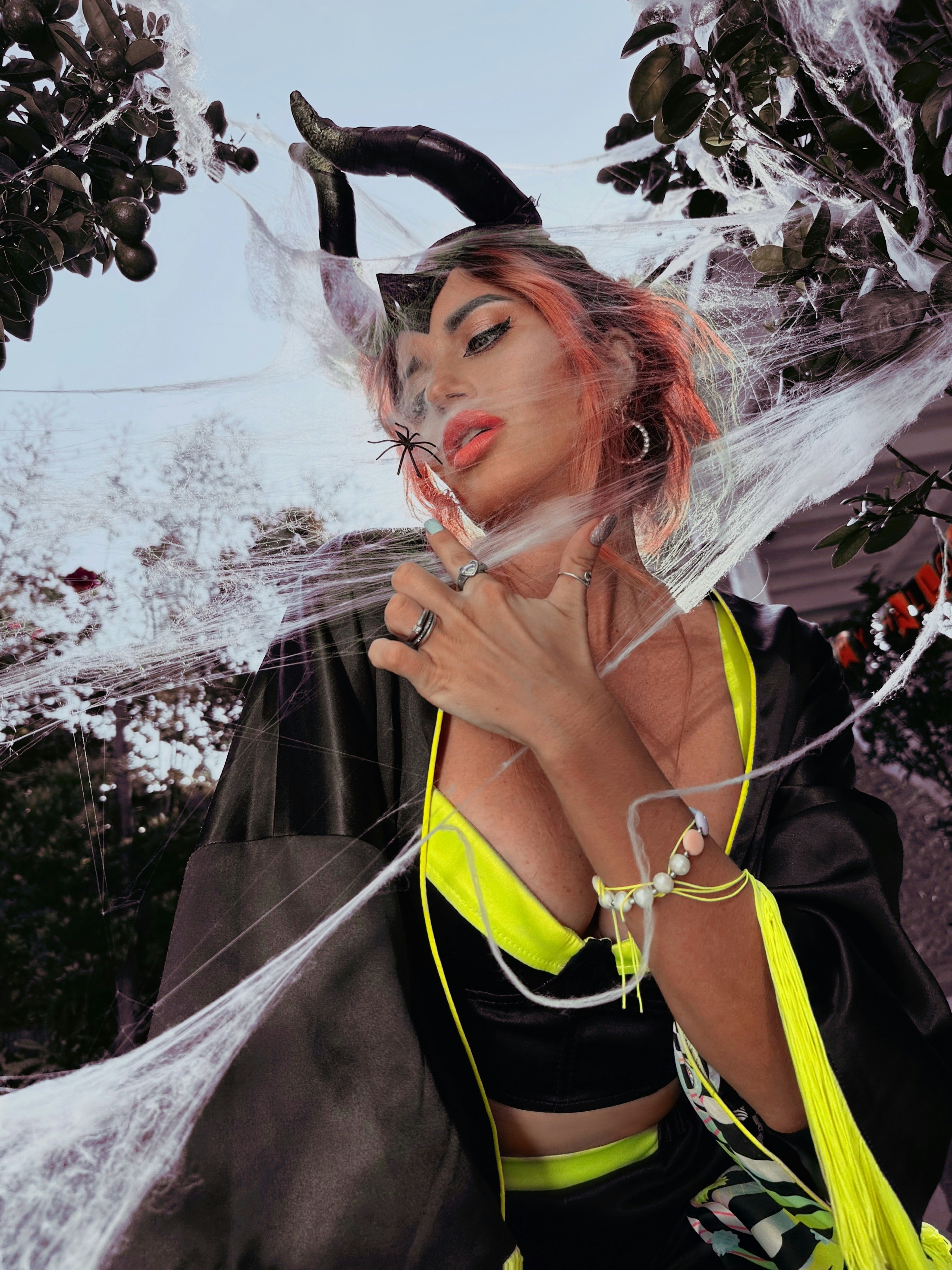
Introduction to Wicked: For Good
‘Wicked: For Good’ is a musical that has captivated audiences globally by reimagining the beloved story of ‘The Wizard of Oz.’ At its core, the narrative delves deeply into themes of friendship, betrayal, and the complex nature of good and evil. The musical highlights the emotional journey of its protagonists, Elphaba and Glinda, allowing viewers to explore the multifaceted relationships that define their lives amidst the backdrop of the enchanting yet tumultuous Land of Oz.
The character of Elphaba, who ultimately becomes the Wicked Witch, embodies the struggles of an outcast fighting against societal narratives that label her as evil. This portrayal challenges the traditional dichotomy between heroes and villains, inviting audiences to ponder the intricacies behind one’s choices and the societal pressures that motivate these decisions. The friendship between Elphaba and Glinda serves as a poignant reflection of how relationships can evolve amidst trials and differing ideologies, making it relatable to those who have experienced the complexities of friendship.
By presenting a fresh perspective on these well-known characters, ‘Wicked: For Good’ not only enriches the original tale but also contributes to modern theater’s illustrious canon. The musical invites commentary on contemporary issues regarding acceptance, identity, and the often arbitrary lines drawn between good and evil.
Its significance within the realm of musical theater extends beyond mere entertainment, prompting critical discussions that resonate with audiences. ‘Wicked’ has undeniably left its mark, continuously inspiring a diverse range of viewers to reflect on their own beliefs and perceptions. As anticipation builds for the cast updates, including notable talents such as Colman Domingo, who has been cast in the role of the Cowardly Lion in the sequel, the legacy of ‘Wicked’ continues to evolve, drawing new interest and engagement from fans old and new.
The Iconic Cowardly Lion Character
The Cowardly Lion is one of the most memorable characters from L. Frank Baum’s classic novel, “The Wonderful Wizard of Oz,” published in 1900. Representing an individual grappling with self-doubt and insecurity, the character has come to symbolize the universal struggle between fear and bravery. Initially portrayed as a figure of comedic relief, the Cowardly Lion’s quest for courage resonates with audiences, enabling them to connect with his vulnerabilities. Baum’s narrative suggests that bravery is not the absence of fear but the ability to confront it, a theme that has profoundly impacted the character’s legacy.
His evolution in various adaptations, from the 1939 film to modern reimaginings, showcases the profound depth of the character. The Cowardly Lion’s transformation from a mere comic character to a symbol of the internal battle many face has been part of his lasting appeal. In the film, his plaintive desire for courage is conveyed through both humor and heartache, intricately depicted through his interactions with Dorothy, the Scarecrow, and the Tin Man. These relationships further emphasize the notion that courage is often found through companionship and support.
As adaptations continue to emerge, including the anticipated “Wicked: For Good,” which features Colman Domingo cast as the Cowardly Lion, the character is being reinterpreted for a new generation. Domingo’s portrayal promises to bring a fresh perspective while maintaining the core essence of the character’s fight against fear. This evolving representation signifies the Cowardly Lion’s role within popular culture as more than just a classic character; he embodies the emotional journey of many individuals striving to find their courage. In conclusion, the Cowardly Lion stands as a timeless figure that reflects humanity’s ongoing relationship with fear and courage, continually inspiring audiences around the world.
Casting News: Euphoria Actor Takes the Stage
The highly anticipated casting announcement for the upcoming production of Wicked: For Good has created significant buzz among theater enthusiasts and fans alike. Colman Domingo, known for his compelling performances in the critically acclaimed series ‘Euphoria,’ has been cast in the iconic role of the Cowardly Lion. This decision has generated excitement due to Domingo’s impressive track record and his ability to connect with audiences through his performances.
Domingo’s range as an actor has been demonstrated across various genres, but his portrayal in ‘Euphoria’ particularly highlighted his talent for conveying nuanced emotions. His charismatic screen presence and depth of character are expected to enrich the interpretation of the Cowardly Lion, a role that requires both vulnerability and strength. Fans of both the actor and the original ‘Wicked’ musical are looking forward to how Domingo will bring a fresh perspective to this beloved character.
The reaction from fans following the casting news has been overwhelmingly positive, with many expressing their eagerness to see Domingo step onto the stage. Social media platforms have been abuzz with discussions about his ability to embody the Cowardly Lion’s complexity and charm. Many believe that Domingo’s unique style and profound understanding of character dynamics will elevate the production, offering new dimensions to the narrative. Given his extensive background in theater, including awards and nominations for his stage roles, expectations are high for his portrayal.
As anticipation builds, it is evident that Domingo’s casting in ‘Wicked: For Good’ represents not just a continuation of a beloved story but also a nod to the evolving landscape of Broadway, where diverse talents bring their own artistry to classic tales. The collaborative nature of theater promises to result in a memorable rendition of the Cowardly Lion that both pays homage to the original and pushes creative boundaries.
Comparison of Euphoria and Wicked: Themes and Characters
Both “Euphoria” and “Wicked” delve into complex themes surrounding identity, emotional struggles, and the quest for belonging, establishing a rich tapestry of character development and life experiences. These themes resonate profoundly with audiences, reflecting the intrinsic human desire to understand oneself and find a place in the world.
“Euphoria,” created by Sam Levinson, stands out for its raw portrayal of teenage life in a modern context, illuminating issues such as addiction, mental health, and the pressures of social media. The characters navigate extreme emotional landscapes, each confronting their trauma in unique ways. For instance, Rue, portrayed by Zendaya, grapples with substance abuse while attempting to forge connections, echoing the broader search for identity pervasive throughout the series. This emotional labyrinth confronts viewers with stark realities, showcasing the fragility of youth amidst a chaotic environment.
In contrast, “Wicked,” based on Gregory Maguire’s novel, reimagines the narratives of familiar characters from “The Wizard of Oz.” The journey of Elphaba, the Wicked Witch of the West, and Glinda offers a counter-narrative that challenges traditional perceptions of good and evil. The exploration of friendship, societal expectations, and the consequences of choices highlight the characters’ struggles for acceptance and understanding. Both narratives emphasize how the characters’ identities are shaped by external perceptions and internal battles.
The intersection of these two works lies in their characters’ transformative journeys. Each character navigates their unique challenges while simultaneously reflecting broader societal themes of acceptance and self-discovery. As Colman Domingo joins the cast of “Wicked” for the portrayal of the Cowardly Lion, it invites discourse around how fear and courage are portrayed within both narratives, ultimately emphasizing the universal quest for belonging. In conclusion, “Euphoria” and “Wicked” embody shared themes, illustrating the intertwining paths of self-acceptance and the complexities of human relationships.
Fan Reactions and Speculations
The recent announcement regarding Colman Domingo’s casting as the Cowardly Lion in the upcoming film Wicked: For Good has generated a significant buzz within the fan community. Social media platforms have been inundated with reactions, showcasing a mixture of excitement, surprise, and even disbelief. Many fans view Domingo’s talent and versatility as a boon for the character, while others express curiosity about how the previous roles he has played may influence his portrayal of the iconic lion. The discussions around Colman Domingo’s past performances, particularly in Euphoria, suggest that viewers are eager to see how his adeptness in capturing complex emotions will translate to this beloved role.
This casting choice has sparked numerous theories among fans regarding the potential direction for the character. Some speculate that Domingo’s unique style and expertise will bring a fresh dimension to the Cowardly Lion, emphasizing themes of vulnerability and courage. Others voice their hope that the film will delve deeper into the character’s backstory, potentially revealing more about his fears and aspirations. As fans project their sentiments onto this casting, many are contemplating how the Cowardly Lion’s journey will resonate with contemporary audiences.
Moreover, social media hashtags related to Colman Domingo’s casting have gone viral, reflecting the enthusiasm surrounding the decision. Various fan art pieces and remixed videos are now circulating, further illustrating the community’s engagement with the announcement. Although some fans are still processing the news, the overall sentiment remains overwhelmingly positive. The anticipation for Wicked: For Good, featuring Colman Domingo, promises an invigorated take on a classic character beloved by many.
The Musical’s Impact on Casting Choices
Wicked, the acclaimed musical that explores the backstory of the witches from the Wizard of Oz, has significantly influenced casting practices in musical theater. The trend of integrating well-known television actors into theater roles has gained momentum, a shift catalyzed by the recognition that this approach can attract diverse audiences. The recent casting of Colman Domingo, a notable actor from the series Euphoria, as the Cowardly Lion in the upcoming sequel, exemplifies this trend.
The incorporation of popular television actors into iconic musical roles presents a dual advantage. On one hand, their established fan base can lead to increased ticket sales and heightened visibility for the production. Euphoria’s popularity has undoubtedly resulted in heightened interest in Domingo’s portrayal, potentially drawing younger audiences who may otherwise not engage with theater. This method of casting can be particularly beneficial in revitalizing storied franchises like Wicked, thereby maintaining their relevance in contemporary culture.
However, this casting strategy also faces its challenges. The primary concern lies in the potential overshadowing of seasoned theater actors who possess extensive experience and training. Established performers often bring a profound understanding of stagecraft that television actors, despite their skills, may lack. Additionally, relying heavily on star power can inadvertently set unrealistic expectations for performances, as audiences may assume a well-known actor can effortlessly transition between mediums.
Ultimately, the impact of Wicked on casting choices in musical theater highlights a continuous evolution within the industry. While it opens new avenues for engagement and experimentation, it also prompts discussions about the balance between celebrity and traditional theatrical training. As the landscape of musical theater shifts, the inclusion of actors like Colman Domingo serves as a reminder of the fusion between popular culture and the arts, forging connections that can enrich the theater experience.
The Importance of Representation in Theater
Representation in theater is a crucial aspect that shapes narratives, influences culture, and fosters relatability among audiences. The casting of diverse actors in iconic roles, such as Colman Domingo as the Cowardly Lion in the anticipated sequel of ‘Wicked: For Good’, demonstrates the evolving landscape of theater, where inclusivity has become paramount. This progressive shift not only enriches the storytelling experience but also allows a wider audience to connect with characters that reflect a variety of backgrounds and life experiences.
When actors from modern shows like ‘Euphoria’ step into roles traditionally portrayed by a homogenous cast, a new layer of depth and identity is added to these characters. Colman Domingo, recognized for his powerful performances and nuanced portrayals, brings his unique perspective to the Cowardly Lion. This kind of casting encourages conversations on diversity and representation, showing that classic stories can be reimagined to resonate with contemporary audiences. Through this lens of representation, theater becomes a mirror that reflects societal changes and the need for more inclusive narratives.
Moreover, the significance of representation extends beyond mere visibility. It serves as an inspiration for underrepresented communities, fostering a sense of belonging and validation in the arts. When diverse actors are cast in prominent roles, it sends a powerful message about the importance of every individual’s story. The inclusion of Colman Domingo in ‘Wicked: For Good’ is not merely about the character he plays; it symbolizes a broader movement toward inclusiveness in theatrical productions, which can challenge stereotypes and reshape audience perceptions.
In conclusion, the casting of diverse actors in theatrical productions, such as Colman Domingo in ‘Wicked: For Good’, underscores the importance of representation in enriching the narrative landscape of theater. It provides fresh perspectives on classic characters, ultimately enhancing the audience’s engagement and experience.
Expectations for Wicked: For Good
The upcoming production of Wicked: For Good is poised to captivate audiences with its innovative approach and fresh interpretations. Following the announcement of Colman Domingo being cast as the Cowardly Lion, fans are buzzing with anticipation about how his talents will enhance this beloved narrative. Domingo’s background in musical theatre and his acclaimed performances in shows like “Euphoria” suggest that audiences can expect a rich and emotionally charged portrayal of this iconic character.
Musically, expectations are high for a score that melds classic elements from the original “Wicked” with new compositions that resonate with a contemporary audience. The blending of Domingo’s soulful voice with the orchestral arrangements will likely add depth to the character’s journey. Additionally, choreographic innovations are anticipated, as the creative team brings their unique vision to the stage. The movement accompanying the narrative is essential in conveying the emotions and conflicts faced by the characters, particularly the Cowardly Lion.
Moreover, the overall interpretation of the story is expected to explore themes of courage and identity in a manner that reflects current societal dialogues. As audiences flock to theaters, they will be looking for moments of connection and relatability, especially given the multifaceted representation that Domingo embodies in his performances. His ability to infuse vulnerability and strength into his roles suggests that his portrayal will invite viewers to reflect on their own fears and triumphs.
In summary, with the integration of a talented cast like Colman Domingo and a focus on music, choreography, and modern interpretation, “Wicked: For Good” is set to be a transformative experience for both longtime fans and newcomers alike. The storytelling is bound to resonate on various emotional levels, ensuring a powerful connection to the story’s underlying themes of bravery and acceptance.
Conclusion: The Future of Wicked and Theater
The musical ‘Wicked’ has established itself as a cornerstone of modern theater, celebrated for its innovative storytelling, complex characters, and vibrant musical numbers. As we reflect on the potential impact of new cast members, such as Colman Domingo in the role of the Cowardly Lion, it becomes evident that this evolution is crucial for the longevity and relevance of theatrical productions. Domingo’s diverse talent, showcased in his previous performances, may bring a fresh perspective to the beloved character, allowing a new generation of theatergoers to connect with the narrative in unique ways.
The inclusion of fresh artists indicates a commitment to evolving the art form while honoring its roots. A cast that resonates with contemporary audiences not only enhances the storytelling but also expands the reach of the production. As seen in ‘Wicked’, innovative casting choices can rejuvenate a classic story, sparking conversations and interest that might not have been previously engaged. The dynamic performances of actors like Domingo are essential in continuing to attract diverse audiences to theaters, encouraging attendance and participation in the cultural dialogue.
Indeed, the future of ‘Wicked’ and theater at large will heavily rely on such transformative experiences. As new talent enters the scene, audiences are likely to witness a blend of traditional themes with modern interpretations, reaffirming the notion that theater must adapt to remain vibrant. By embracing new voices and perspectives, the theater community helps foster an inclusive environment that celebrates storytelling in all its forms. In conclusion, as ‘Wicked’ continues to evolve, its legacy will likely inspire future works, contributing to the ongoing dialogue about identity, acceptance, and the transformative power of performance in our society.